Español
 العربية
 Pусский
Air compressors are indispensable tools in industries, workshops, and even homes, powering everything from pneumatic tools to heavy machinery. When exploring the difference between single stage and double stage air compressors, it’s clear that each type serves distinct purposes based on how they compress air and the pressures they achieve. Whether you’re a DIY enthusiast or an industrial professional, understanding these differences can help you choose the right equipment. In this guide, we’ll break down the mechanics, applications, and benefits of both types while spotlighting Kito—a senior air compressor supplier from China—and how their innovative designs elevate performance.
Introduction to Air Compressors
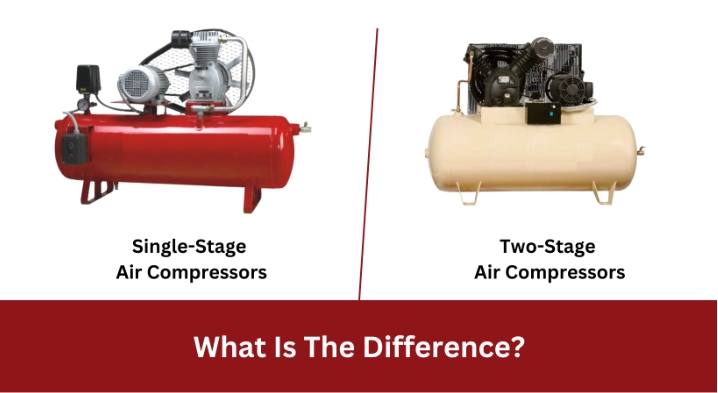
Air compressors convert mechanical energy into pressurized air, making them essential for tasks like inflating tires, powering tools, or running production lines. The difference between single stage and double stage air compressors lies in their compression processes, which dictate their pressure output, efficiency, and ideal use cases. Single-stage compressors compress air once, while double-stage (or two-stage) compressors take it a step further with an additional compression phase. This distinction impacts everything from cost to durability.
Kito, a renowned Chinese manufacturer with decades of expertise, excels in producing both types, offering tailored solutions that combine reliability, efficiency, and affordability. Let’s dive into the specifics of each compressor type and explore how Kito enhances their value.
What is a Single Stage Air Compressor?
A single-stage air compressor operates with a straightforward design: air is drawn into a cylinder and compressed in one piston stroke to a pressure of about 120-150 PSI (pounds per square inch). The compressed air is then stored in a tank for use. Typically equipped with one or two cylinders of equal size, this type is prized for its simplicity and compact build, making it a go-to choice for smaller-scale applications.
What is a Double Stage Air Compressor?
In contrast, a double-stage air compressor—sometimes called a two-stage compressor—employs a two-step compression process. Air is first compressed in a larger cylinder to an intermediate pressure, cooled via an intercooler, and then compressed again in a smaller cylinder to reach higher pressures, often 175 PSI or more. This dual-stage approach enhances efficiency and power, catering to more demanding tasks. The difference between single stage and double stage air compressors becomes evident here: double-stage units are built for greater output and sustained performance.
Key Differences Between Single Stage and Double Stage Air Compressors
Understanding the difference between single stage and double stage air compressors requires examining their mechanics, capabilities, and practical implications. Here’s a detailed comparison across critical factors.

Compression Process
The core difference between single stage and double stage air compressors is the number of compression stages. Single-stage compressors compress air in one pass, relying on a single piston stroke to reach the target pressure. Double-stage compressors, however, split the process into two phases: initial compression in a larger cylinder followed by a second compression in a smaller one, with cooling in between. This staged approach allows double-stage units to achieve higher pressures more efficiently.
Pressure Output
Pressure capacity is another defining factor. Single-stage compressors max out at 120-150 PSI, making them suitable for lighter tools like nail guns or airbrushes. Double-stage compressors, with their ability to hit 175 PSI or higher, power heavy-duty equipment such as sanders or industrial machinery. This difference between single stage and double stage air compressors dictates their respective roles in various settings.
Efficiency and Heat Management
Efficiency ties directly to heat generation. Single-stage compressors produce more heat during their single compression cycle, which can reduce efficiency and strain components during prolonged use. Double-stage compressors mitigate this with an intercooler that cools air between stages, lowering operating temperatures and boosting efficiency. This difference between single stage and double stage air compressors makes two-stage models ideal for continuous operation.
Size and Portability
Physical design also varies. Single-stage compressors are typically smaller, lighter, and more portable, perfect for home garages or mobile use. Double-stage compressors, with their additional cylinders and intercooler, are bulkier and less portable but offer superior power for stationary setups. This difference between single stage and double stage air compressors influences their practicality depending on workspace constraints.
Cost Considerations
Cost is a practical concern for buyers. Single-stage compressors are more affordable upfront and easier to maintain due to their simpler design. Double-stage compressors, while pricier initially, provide long-term savings through better energy efficiency and durability. The difference between single stage and double stage air compressors here hinges on balancing initial investment against operational benefits.
Applications and Use Cases
The difference between single stage and double stage air compressors shines through in their applications. Each type excels in specific scenarios based on pressure needs and usage frequency.
Single Stage Applications
Single-stage compressors are best suited for small workshops, DIY projects, and tasks requiring moderate pressure. Think woodworking, tire inflation, or operating basic pneumatic tools under 100 PSI. Their portability and affordability make them a favorite among hobbyists and small businesses. However, they falter under continuous, high-pressure demands, where heat buildup can reduce performance.
Double Stage Applications
Double-stage compressors dominate in industrial environments, automotive shops, and large-scale manufacturing. They’re built to handle sustained high-pressure tasks—like powering multiple tools simultaneously or supporting production lines—without overheating. The difference between single stage and double stage air compressors in application is clear: two-stage units thrive where reliability and power are non-negotiable.
Advantages of Kito Air Compressors
Kito stands out as a senior air compressor supplier from China, bringing cutting-edge technology and cost-effective solutions to the table. Whether you’re considering a single-stage or double-stage model, Kito’s offerings enhance performance and value.
Kito’s Engineering Excellence
Kito’s compressors reflect advanced engineering. Their double-stage models incorporate PM VSD (Permanent Magnet Variable Speed Drive) technology, which adjusts motor speed to demand, optimizing energy use. Both single-stage and double-stage units feature high-quality components designed for durability, ensuring they withstand rigorous use in diverse environments.
Energy Efficiency
Energy savings are a hallmark of Kito’s designs. Single-stage compressors minimize waste for small-scale users, while double-stage models split pressure ratios across two stages, reducing bearing load and cutting energy costs by 15-20% compared to single-stage alternatives. This efficiency amplifies the difference between single stage and double stage air compressors, with Kito bridging the gap through smart technology.
Customization and Support
Kito offers a broad range of compressors, from compact single-stage units for craftsmen to robust double-stage systems for factories. Their expert consultancy helps customers select the right model, while comprehensive after-sales support ensures longevity and performance. This adaptability makes Kito a versatile choice regardless of compressor type.
Cost-Effectiveness
As a Chinese manufacturer, Kito delivers high-performance compressors at competitive prices, undercutting many Western brands without compromising quality. Their double-stage models, though a larger investment, offer quicker ROI through energy savings—a practical advantage that enhances the difference between single stage and double stage air compressors in terms of long-term value.
Pros and Cons Comparison
A side-by-side look at pros and cons clarifies the difference between single stage and double stage air compressors, with Kito’s enhancements adding extra appeal.
Single Stage Pros and Cons
Pros: Affordable, portable, and sufficient for intermittent use. Kito bolsters reliability with robust construction, ensuring even basic models perform consistently.
Cons: Limited to lower pressures, prone to heat buildup, and less efficient for large tasks.
Double Stage Pros and Cons
Pros: Higher pressure output, superior efficiency, and cooler operation. Kito’s VSD technology further optimizes performance, making these units industry leaders.
Cons: Higher initial cost and less portable due to size.
Conclusion: Choosing the Right Compressor
The difference between single stage and double stage air compressors boils down to your specific needs. Single-stage compressors suit small, intermittent tasks with their affordability and portability, while double-stage compressors excel in industrial settings with their power and efficiency. Key decision factors include pressure requirements, usage frequency, and budget.
Kito elevates both options with innovative designs, energy-saving features, and competitive pricing. As a trusted supplier from China, Kito caters to global demands, offering compressors that blend performance with practicality. Whether you need a lightweight single-stage unit for a garage or a robust double-stage system for a factory, Kito ensures you get the most out of your investment.