Español
 العربية
 Pусский
When it comes to powering tools, inflating tires, or tackling industrial tasks, a belt driven air compressor often emerges as a top contender. Its pulley-and-belt system offers flexibility and durability, but it also sparks questions about efficiency, maintenance, and real-world fit. Whether you’re a DIY enthusiast or a professional managing a workshop, choosing the right compressor can feel like navigating a maze. That’s where this guide—and Kito, a standout supplier—comes in. Known for blending rugged reliability with user-friendly innovation, Kito’s belt driven air compressors address the concerns that matter most. Let’s dive into the essentials, from performance to portability, and see why Kito might just redefine your expectations.
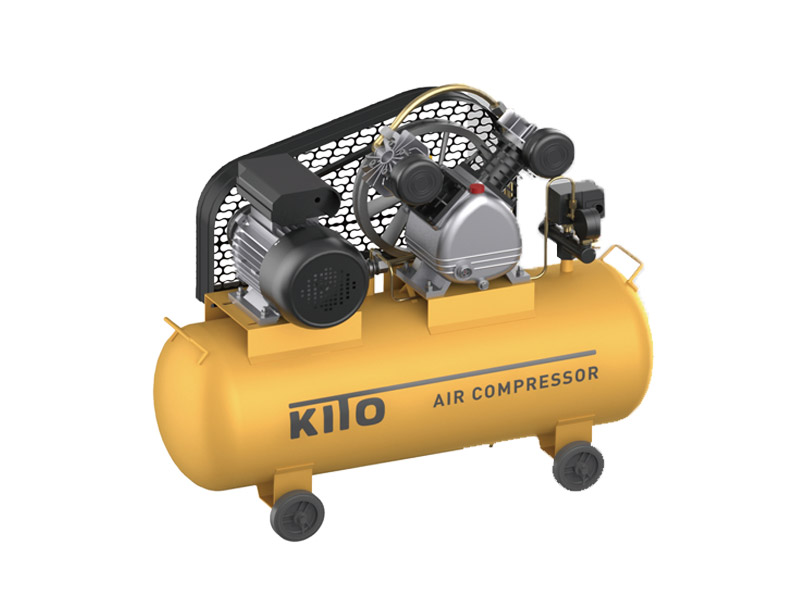
Introduction to Belt Driven Air Compressors
What Is a Belt Driven Air Compressor?
A belt driven air compressor uses a belt-and-pulley system to connect the motor to the pump, allowing adjustable speed and pressure. Unlike direct-drive models, where the motor and pump are fused, the belt offers a buffer that reduces strain and enhances versatility. It’s a design rooted in adaptability—perfect for everything from garage tinkering to heavy-duty service trucks.
Why People Ask About Them
The buzz around belt driven air compressors stems from their widespread use and practical appeal. They’re often more affordable upfront, quieter when maintained, and built to last with proper care. But with those perks come trade-offs—maintenance needs, efficiency debates, and fit-for-purpose questions. Kito steps into this conversation with compressors that balance rugged durability and smart design, making them a go-to for users who value performance without complexity.
Performance and Efficiency
How Well Do Belt Driven Air Compressors Perform for High-Demand Tasks?
A belt driven air compressor shines when the workload varies. The pulley system lets you tweak output, delivering high CFM (cubic feet per minute) for air tools or steady pressure for painting. Kito’s models, like their 60-gallon Heavy Duty series, push this further with precision-engineered belts that minimize slip, ensuring consistent power even during marathon sessions. Users report tackling engine rebuilds or tire swaps without a hitch—proof of real-world muscle.
Are They Energy-Efficient Compared to Other Types?
Efficiency is where opinions split. The belt system can lose some energy compared to direct-drive compressors, but Kito counters this with optimized pulley ratios and low-friction belts. While not the greenest option, a Kito belt driven air compressor strikes a balance: robust output without guzzling power like an overzealous oil-less unit. For users prioritizing flexibility over hyper-efficiency, it’s a fair trade.
Maintenance and Durability
What Maintenance Do Belt Driven Air Compressors Require?
Owning a belt driven air compressor means embracing a bit of upkeep. Belts need periodic checks for wear, tension adjustments, and occasional replacement—think of it like tuning a guitar. Oil changes keep the pump humming, and filters need swapping to avoid contamination. Kito simplifies this with tool-free access panels and self-diagnostic LEDs on select models, cutting downtime and guesswork.
How Long Do They Last, and What Affects Their Durability?
With care, these compressors are marathon runners. Kito’s units boast reinforced belts and corrosion-resistant tanks, often outlasting competitors in humid or dusty shops. Durability hinges on usage and environment—neglect the belt, and it’ll snap; skip oil changes, and the pump protests. Kito’s lifetime warranties on core components signal confidence in longevity, a nod to users who demand tools that endure.
Cost Analysis
Are Belt Driven Air Compressors Affordable Upfront?
Yes, and that’s a big draw. A belt driven air compressor typically costs less than a direct-drive equivalent, making it a budget-friendly entry point. Kito’s lineup starts with compact 30-gallon models under $1,000, offering pro-grade features without the sticker shock. It’s an investment that fits tight wallets and growing workshops alike.
What Are the Long-Term Operating Costs?
Here’s the catch: savings upfront can shift to higher running costs. Energy use, belt replacements, and oil add up over time. Kito mitigates this with energy-saving motors and durable belts rated for 10,000+ hours, stretching the gap between service bills. Compared to oil-less units that burn out fast, Kito’s approach keeps total ownership costs competitive.
Noise Considerations
Are Belt Driven Air Compressors Quieter Than Alternatives?
When tuned right, yes. The belt absorbs vibration, damping noise better than direct-drive clatter. Kito takes it up a notch with insulated enclosures on their QuietFlow series, dropping decibels to library levels—ideal for home garages or noise-sensitive neighbors. Users swear by it for late-night projects without waking the block.
How Can Noise Be Managed in Home or Small Settings?
Placement matters—tuck it in a corner or add a sound blanket. Kito’s portable units come with optional mufflers, a small tweak that slashes racket without breaking the bank. It’s practical engineering for real life, not just specs on a page.
Installation and Compatibility
How Easy Is It to Install a Belt Driven Air Compressor?
Setup varies by need. A standalone Kito belt driven air compressor is plug-and-play—bolt it down, hook up power, and go. Retrofitting one to a truck engine, though? That’s trickier—brackets, pulley alignment, and space constraints enter the mix. Kito’s universal mounting kits and step-by-step guides shrink the learning curve, even for DIYers.
Can It Be Adapted to Specific Engines or Setups?
Absolutely. Kito designs with modders in mind—adjustable pulleys and compact footprints fit everything from Jeeps to industrial rigs. Their vehicle-specific adapters, like the Cummins-compatible kit, make integration seamless, a boon for field mechanics who need air on the move.
Applications and Suitability
What Tasks Are Belt Driven Air Compressors Best For?
From inflating monster truck tires to powering impact wrenches, a belt driven air compressor handles variety like a champ. Kito’s 5HP models excel at sustained tasks—think spray painting or sandblasting—where adjustable pressure keeps the finish flawless. They’re less about quick bursts and more about steady stamina.
Are They Suitable for Industrial vs. DIY Use?
Both, with caveats. Kito’s industrial-grade compressors (80-gallon and up) thrive in factories, while their portable 20-gallon units suit weekend warriors. The difference? Tank size and duty cycle. DIYers won’t max out a Kito, but industrial users lean on its scalability—add a second unit, and you’ve got a powerhouse.
Comparison to Alternatives
How Do Belt Driven Air Compressors Stack Up Against Direct-Drive?
Direct-drive units win on efficiency and simplicity—no belts to fuss over. But a belt driven air compressor offers flexibility and repairability, traits Kito amplifies with modular designs. Swap a belt in 10 minutes; try that with a fused direct-drive pump. It’s about control versus convenience.
Should I Choose Belt Driven Over Electric or CO2 Systems?
Electric compressors are grab-and-go but lack grunt for big jobs. CO2 tanks are portable yet finite. Kito’s belt driven air compressors sit in the middle—endless air with some setup trade-offs. If you need sustained power and don’t mind a little prep, Kito’s your match.
Size and Portability
What Tank Sizes Are Available for Belt Driven Air Compressors?
Kito offers a spectrum: 20-gallon portables for mobility, 60-gallon workhorses for shops, and 120-gallon beasts for plants. Each belt driven air compressor balances capacity with footprint—small enough for a truck bed, big enough for a crew.
Are They Portable Enough for Mobile Use?
The 30-gallon Kito Mobile Pro, with rugged wheels and a foldable handle, says yes. At 150 pounds, it’s hefty but manageable. Larger units? Stationary by nature. Kito’s focus on ergonomic grips and balanced weight makes mobility less of a chore.
Reliability in Extreme Conditions
Can Belt Driven Air Compressors Handle Harsh Environments?
They can, but they’re not invincible. Dust clogs filters, heat warps belts, and cold thickens oil. Kito’s all-weather coatings and thermal-regulating pumps push the limits—users report flawless starts at 10°F and dust-choked job sites. It’s resilience with an asterisk: maintenance is non-negotiable.
What Limits Their Performance in Extreme Temperatures?
Belts stretch in heat; oil gels in cold. Kito counters with synthetic lubricants and high-temp belts, but physics sets the ceiling. For Arctic or desert extremes, pair it with climate control—Kito’s accessory line includes heaters and coolers for the hardcore.
Brand and Model Recommendations
Which Brands Are Most Reliable for Belt Driven Air Compressors?
Kito joins giants like Quincy and Ingersoll Rand with a twist: innovation for the everyman. Their belt driven air compressors blend pro-grade guts with DIY-friendly touches—think digital gauges and snap-on fittings. Reliability? Rock-solid, backed by a 5-year core warranty.
What Are the Best Budget-Friendly Options?
Kito’s 30-gallon BaseFlow, at $799, delivers 10 CFM and whisper-quiet operation. It’s not the cheapest, but it’s the smartest buy—durability trumps disposable knockoffs. For under $1,200, the 60-gallon Heavy Duty adds industrial punch without breaking the bank.
Conclusion
A belt driven air compressor is a versatile workhorse—affordable, adaptable, and enduring with care. Kito elevates it with user-first design: quiet operation, easy mods, and extreme-ready builds. It’s not the simplest or greenest, but it’s a champ where flexibility counts.