Español
 العربية
 Pусский
When it comes to powering industrial applications with high-pressure air, the double stage reciprocating compressor stands out as a reliable and efficient solution. Unlike its single-stage counterpart, this powerhouse uses a two-step compression process to deliver superior performance, making it a staple in industries worldwide. In this article, we’ll dive deep into how these compressors work, their benefits, applications, and why Kito, a leading air compressor supplier from China, is a top choice for businesses seeking quality and value.
Introduction to Double Stage Reciprocating Compressors
What is a Double Stage Reciprocating Compressor?
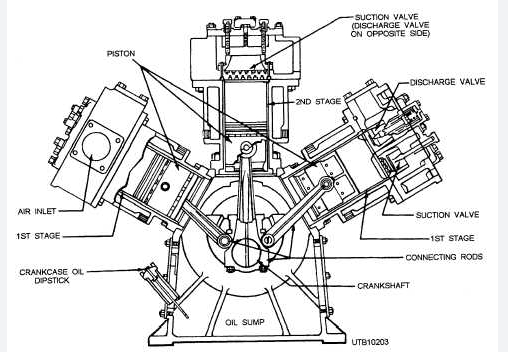
A double stage reciprocating compressor is a type of air compressor that compresses air in two distinct phases, or stages, to achieve higher pressures and greater efficiency. In the first stage, air is drawn into a low-pressure cylinder and compressed to an intermediate level. It then passes through an intercooler to reduce its temperature before entering the second, high-pressure cylinder for final compression. This dual-stage process sets it apart from single-stage compressors, which compress air in one go, limiting their pressure output.
The keyword here is efficiency. By breaking the compression into two steps, a double stage reciprocating compressor minimizes heat buildup, reduces energy waste, and delivers cooler, high-pressure air—ideal for demanding industrial tasks.
Importance in Industrial Applications
From manufacturing plants to automotive workshops, the double stage reciprocating compressor plays a critical role where high-pressure air is non-negotiable. Industries like PET bottle blowing, oil and gas, and refrigeration rely on these machines to keep operations running smoothly. For businesses needing more than 100 PSI—often up to 175 PSI or higher—this compressor type outperforms single-stage models, offering a robust solution for heavy-duty needs.
How Double Stage Reciprocating Compressors Work
The Two-Stage Compression Process
The magic of a double stage reciprocating compressor lies in its two-stage operation. Here’s how it works:
Stage 1: Air enters the low-pressure cylinder via an intake valve. A piston compresses it to an intermediate pressure (e.g., 30-50 PSI), and the compressed air is sent to an intercooler.
Stage 2: After cooling, the air moves to the high-pressure cylinder, where a second piston compresses it further to the desired output (e.g., 175 PSI). The result? High-pressure air ready for industrial use.
This process not only boosts pressure but also enhances efficiency by reducing the thermal stress on components, making the double stage reciprocating compressor a favorite for intermittent, high-demand applications.
Key Components
A double stage reciprocating compressor is a marvel of engineering, featuring several critical parts:
Cylinders: One low-pressure and one high-pressure cylinder handle the two stages of compression.
Pistons: Driven by a crankshaft, pistons compress air in each cylinder.
Intercooler: Cools the air between stages, improving efficiency and protecting downstream equipment.
Valves: Control air intake and discharge, ensuring smooth operation.
These components work in harmony to deliver consistent, high-pressure air with minimal wear and tear.
Advantages of Double Stage Reciprocating Compressors
Higher Efficiency and Pressure
One of the standout benefits of a double stage reciprocating compressor is its ability to achieve higher pressures—often exceeding 175 PSI—while maintaining efficiency. The two-stage process reduces the workload on each cylinder, allowing the compressor to handle heavy-duty tasks without overheating. This makes it perfect for applications like pneumatic tool operation or industrial manufacturing.
Cooler Output Air
Thanks to the intercooler, a double stage reciprocating compressor delivers cooler air compared to single-stage models. Lower temperatures protect air-powered tools, extend compressor lifespan, and ensure safer operation in heat-sensitive environments. For industries where air quality matters, this is a game-changer.
Energy Savings for Demanding Tasks
While a double stage reciprocating compressor may use more power than a single-stage unit for light tasks, it shines in high-pressure, intermittent scenarios. By reducing heat losses and optimizing compression, it saves energy over time, lowering operational costs for businesses with demanding workloads.
Durability and Reliability
Built to withstand tough conditions, the double stage reciprocating compressor boasts a robust design that ensures long-term reliability. Its ability to handle periodic high-pressure cycles makes it a trusted choice across industries, from automotive repair to chemical processing.
Spotlight on Kito: A Senior Air Compressor Supplier from China
Who is Kito?
Kito, a Zhejiang-based manufacturer with over a decade of expertise, is a leading name in the air compressor industry, particularly known for its double stage reciprocating compressor offerings. As a senior supplier from China, Kito combines advanced technology with practical innovation, catering to global markets with a focus on quality and customer satisfaction.
Advantages of Choosing Kito Double Stage Compressors
When selecting a double stage reciprocating compressor, Kito stands out for several reasons:
Superior Build Quality: Kito uses high-grade materials and precision engineering to craft compressors that last. Their double-stage models are built to endure industrial rigors, ensuring consistent performance.
Competitive Pricing: Leveraging China’s manufacturing advantages, Kito offers affordable solutions without skimping on quality—a boon for cost-conscious businesses.
Customizable Options: Need a compressor tailored to your specific pressure or horsepower needs? Kito provides bespoke solutions, enhancing versatility for unique applications.
Reliable After-Sales Support: With a strong service network, Kito ensures quick access to spare parts and maintenance, minimizing downtime—a critical factor in industrial settings.
Energy-Efficient Designs: Kito incorporates modern tech to optimize energy use, aligning with sustainability goals while keeping operating costs low.
Choosing Kito means investing in a double stage reciprocating compressor that delivers both performance and value.
Applications of Double Stage Reciprocating Compressors
Industrial Uses
The double stage reciprocating compressor thrives in environments requiring high-pressure air. Common applications include:
PET Bottle Blowing: High-pressure air shapes plastic bottles with precision.
Automotive Repair: Powers pneumatic tools like impact wrenches and spray guns.
Woodworking: Drives machinery for cutting, sanding, and finishing.
Kito’s compressors excel in these sectors, offering reliable power for uninterrupted production.
Specialized Scenarios
Beyond general industry, the double stage reciprocating compressor serves niche roles:
Oil and Gas: Supports drilling and pipeline operations with high-pressure air.
Refrigeration: Aids in cooling systems requiring compressed air.
Chemical Processing: Ensures safe handling of gases and materials.
Kito’s robust designs meet these specialized demands, proving their versatility in challenging conditions.
Comparing Double Stage vs. Single Stage Compressors
Performance Differences
A double stage reciprocating compressor outperforms single-stage models in high-pressure scenarios (100+ PSI), making it ideal for heavy-duty tasks. Single-stage compressors, capped at around 125 PSI, suit lighter, continuous-use applications. For businesses needing power and efficiency, Kito’s double-stage models are the clear winner.
Cost and Maintenance Considerations
Yes, a double stage reciprocating compressor comes with a higher upfront cost and more complex maintenance due to its dual-cylinder design. However, the long-term efficiency gains often offset these expenses. Kito sweetens the deal with competitive pricing and durable components, reducing maintenance frequency and costs.
Challenges and Limitations
Size and Noise
The double stage reciprocating compressor is bulkier and noisier than single-stage alternatives, requiring stable placement and potential soundproofing. Kito mitigates this with compact designs where feasible, though noise remains a consideration for indoor use.
Maintenance Needs
With more moving parts—pistons, valves, intercooler—the double stage reciprocating compressor demands regular upkeep. Kito counters this with high-quality parts that extend service intervals, keeping maintenance manageable.
Why Choose Kito for Your Double Stage Compressor Needs?
Proven Expertise
With years of experience, Kito has honed its craft, delivering double stage reciprocating compressors that meet global standards. Their track record speaks to their reliability, making them a trusted partner for industries worldwide.
Global Reach with Local Benefits
Kito blends China’s cost-effective manufacturing with international service excellence. This unique position allows them to offer affordable, high-quality double stage reciprocating compressors backed by responsive support—a rare combination in the market.
Conclusion
Summary of Benefits
The double stage reciprocating compressor is a powerhouse of efficiency, pressure, and durability. Its two-stage design delivers high-pressure air with minimal energy waste, making it indispensable for industrial applications. Add in cooler output, robust construction, and energy savings, and it’s clear why this compressor type is a top choice.
Final Recommendation
For businesses seeking a double stage reciprocating compressor that combines performance with practicality, Kito is the standout option. Their superior build quality, competitive pricing, and reliable support make them a senior supplier worth considering. Whether you’re powering a factory or a specialized operation, Kito’s double-stage solutions offer the perfect blend of innovation and value.