Español
 العربية
 Pусский
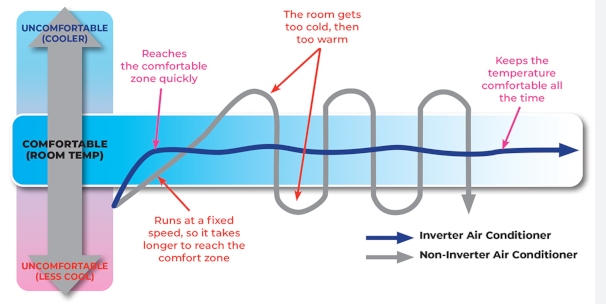
In the relentless heat of summer, the hum of an air conditioning system becomes the soundtrack of comfortable living. At the heart of this cooling marvel lies the compressor, the tireless engine that drives the entire refrigeration cycle. For decades, the standard was the single-stage compressor – a reliable but somewhat blunt instrument, operating at full capacity whenever the thermostat called for cooling, and abruptly shutting off when the desired temperature was reached. This on-again, off-again approach, while effective in lowering the temperature, often resulted in noticeable temperature swings, less effective dehumidification, and energy consumption patterns that weren't always optimal.
Enter the two-stage AC compressor, a more sophisticated and nuanced approach to home cooling. This innovative technology offers a significant leap forward in both comfort and energy efficiency by introducing the ability to operate at two distinct capacity levels. Instead of a binary on/off state, a two-stage compressor can modulate its output, running at a lower, more energy-sipping level for the majority of the time and ramping up to full power only when truly needed. Understanding the intricate workings of a two-stage compressor is key to appreciating its benefits and making informed decisions about home comfort systems. China KITO delves deep into the mechanics, advantages, and considerations surrounding two-stage AC compressors, providing a thorough and insightful exploration of this increasingly popular technology.
The Unsung Hero: The Role of Compression in Air Conditioning
To truly grasp the significance of a two-stage compressor, it's essential to first understand the fundamental principles of air conditioning and the pivotal role of the compressor within the refrigeration cycle. An air conditioning system doesn't actually create cold air; rather, it transfers heat from inside your home to the outside. This transfer is facilitated by a refrigerant, a special substance that circulates through a closed loop, undergoing phase changes between liquid and gas.
The refrigeration cycle comprises four main stages: evaporation, compression, condensation, and expansion. The process begins in the evaporator coil, typically located inside the indoor air handler. Here, the liquid refrigerant absorbs heat from the warm indoor air passing over it, causing the refrigerant to vaporize into a low-pressure gas. This is where the "cooling" effect occurs. The low-pressure refrigerant vapor then travels to the compressor, the workhorse of the system.
The compressor's crucial task is to increase the pressure and temperature of the refrigerant vapor. By compressing the gas, the compressor raises its energy level, preparing it for the next stage of the cycle. This high-pressure, high-temperature refrigerant vapor then flows to the condenser coil, usually located in the outdoor unit. Here, the refrigerant releases its absorbed heat to the cooler outdoor air, causing it to condense back into a high-pressure liquid. Finally, the high-pressure liquid refrigerant passes through an expansion valve or device, which reduces its pressure and temperature, preparing it to absorb more heat in the evaporator coil and repeat the cycle.
In a traditional single-stage compressor, this compression process occurs at a fixed rate. When the thermostat detects that the indoor temperature is above the setpoint, the compressor kicks on at 100% capacity and runs until the temperature drops below the setpoint, at which point it abruptly shuts off. This on/off cycling, while effective at cooling, has inherent limitations. The frequent start-ups consume significant energy, and the full-blast operation can lead to rapid cooling that doesn't always provide consistent comfort throughout the home. Moreover, shorter run times limit the system's ability to effectively dehumidify the air.
The Dual Advantage: How 2-Stage Operation Works
The innovation of the two-stage compressor lies in its ability to operate at two different capacity levels, typically a lower setting (often around 60-70% of maximum capacity) and a higher setting (100% capacity). This dual capability allows the system to more precisely match the cooling demand of the home, leading to significant improvements in efficiency and comfort.
In most situations, particularly on milder days or when maintaining a consistent temperature, a two-stage compressor will operate in its low stage. This lower capacity mode is often sufficient to meet the cooling needs, and it does so using significantly less energy than running at full blast. The extended run times in the low stage have several key benefits. Firstly, they contribute to more even and consistent temperatures throughout the house, eliminating the uncomfortable temperature swings that can occur with single-stage systems. Secondly, these longer cycles allow the evaporator coil to remain cold for a longer duration, leading to more effective dehumidification of the indoor air. Removing excess humidity is crucial for comfort, especially in humid climates, as it makes the air feel cooler and less sticky.
When the cooling demand is high – such as on very hot days or when the thermostat setting is significantly lower than the indoor temperature – the two-stage compressor will engage its high stage, operating at its full 100% capacity. This ensures that the home can be cooled down quickly and effectively, even under demanding conditions. The transition between the low and high stages is typically managed automatically by the thermostat, which monitors the indoor temperature and the rate at which it is changing. Sophisticated thermostats often employ algorithms that optimize stage selection based on various factors to maximize both comfort and energy savings.
The ability to achieve this two-stage operation relies on different mechanical designs depending on the type of compressor. Common mechanisms include:
Part-winding Motors: In some two-stage compressors, the electric motor that drives the compressor has two sets of windings. Engaging only one set of windings allows the motor to run at a lower speed and thus a lower compressor capacity (low stage). When more cooling is needed, both sets of windings are energized, causing the motor and compressor to operate at full speed and capacity (high stage).
Unloader Valves: Another method involves the use of unloader valves within the compressor. In the low stage, one or more cylinders of the compressor might be "unloaded," meaning their output is bypassed back to the suction side, effectively reducing the overall pumping capacity of the compressor. When the high stage is required, these unloader valves are deactivated, and all cylinders contribute to the compression process.
Scroll Compressors with Modulation: Some modern two-stage scroll compressors utilize internal modulation mechanisms. These designs can physically alter the displacement of the scroll elements, allowing for a variable compression capacity without fully starting and stopping. This can provide a more seamless transition between the two stages.
The choice of mechanism often depends on the manufacturer and the specific design of the compressor. Regardless of the method employed, the result is a compressor capable of operating efficiently under a wider range of cooling loads.
The Bounty of Benefits: Advantages of 2-Stage AC Compressors
The ability to operate at two distinct capacities translates into a wealth of benefits for homeowners:
Enhanced Energy Efficiency: This is perhaps the most significant advantage. Since the low stage operation is sufficient for the majority of cooling hours (some estimates suggest around 80% of the time in moderate climates), the system consumes significantly less energy compared to a single-stage compressor running at full power. Furthermore, the longer run times in the low stage minimize the energy wasted during frequent start-up cycles, which can be substantial for single-stage systems. Two-stage AC units often boast higher Seasonal Energy Efficiency Ratio (SEER) ratings, a measure of their overall energy efficiency over a typical cooling season. Higher SEER ratings translate directly into lower utility bills and can even qualify homeowners for energy efficiency rebates and incentives.
Improved Comfort: The longer, gentler cooling cycles of the low stage result in more consistent and even temperatures throughout the home. Say goodbye to the uncomfortable swings between feeling too warm and then suddenly too cold that can occur with single-stage systems. Moreover, the extended run times in the low stage significantly enhance the system's ability to dehumidify the air. As air passes over the cold evaporator coils for a longer duration, more moisture is extracted, leading to a more comfortable and less sticky indoor environment, particularly crucial in humid regions.
Quieter Operation: When operating in the low stage, the compressor and the entire outdoor unit produce less noise compared to running at full capacity. This can significantly improve the peace and quiet both inside and outside the home, especially during extended cooling periods.
Increased System Longevity (Potentially): The reduced number of start-stop cycles associated with two-stage operation can potentially lessen the stress and wear and tear on the compressor motor and other critical system components. Frequent starting and stopping can subject mechanical and electrical parts to significant stress. By running for longer durations at a lower capacity, a two-stage compressor may experience less of this stress, potentially contributing to a longer overall lifespan compared to a single-stage unit with more frequent cycling.
Better Air Filtration: The longer run times in the low stage also mean that the air filtration system within the air handler operates for a greater duration each day. This extended filtration period allows for more effective removal of airborne pollutants, dust, allergens, and other particulate matter from the indoor air, leading to improved indoor air quality.
Navigating the Nuances: Potential Drawbacks and Considerations
While the advantages of two-stage AC compressors are compelling, it's important to acknowledge potential drawbacks and considerations:
Higher Upfront Cost: The initial purchase price of a two-stage AC unit is typically higher than that of a comparable single-stage model. This premium reflects the more complex design and additional components required for two-stage operation.
More Complex System: The added components and control mechanisms for two-stage functionality inherently make the system more complex than a single-stage unit. This increased complexity could potentially lead to slightly higher repair costs if issues arise, as specialized knowledge may be required for diagnosis and repair.
Proper Sizing and Installation are Crucial: Correct sizing of the air conditioning system is always important, but it is even more critical for two-stage systems to ensure optimal performance and efficiency. An improperly sized two-stage unit might not run in the low stage as intended, negating some of its key benefits. Proper installation by a qualified and experienced HVAC technician is absolutely essential for the system to function correctly and achieve its advertised efficiency and comfort levels.
Thermostat Compatibility: A two-stage AC unit requires a compatible thermostat that is specifically designed to control the two stages of operation. A standard single-stage thermostat will not be able to take advantage of the two-stage capabilities. Upgrading to a suitable thermostat is usually part of the installation process.
Guiding Your Decision: Factors Influencing User Choices
The decision of whether to invest in a two-stage AC compressor depends on a variety of factors specific to individual circumstances:
Climate: Two-stage ACs are particularly well-suited for climates with long cooling seasons and high humidity levels. The extended low-stage operation excels at both maintaining consistent temperatures and effectively dehumidifying the air, leading to significant comfort improvements in such environments.
Home Size and Insulation: Larger homes or homes with poor insulation tend to experience greater fluctuations in temperature. The consistent cooling provided by a two-stage system can be particularly beneficial in these situations, ensuring more even comfort throughout the living space.
Budget: The higher upfront cost is a significant consideration for many homeowners. A careful cost-benefit analysis should be performed, taking into account the potential long-term energy savings and the value of increased comfort over the expected lifespan of the system.
Comfort Preferences: Homeowners who prioritize consistent temperature, better humidity control, and quieter operation will likely find the benefits of a two-stage system more appealing and worth the additional investment.
Long-Term Savings: If energy efficiency and lower long-term operating costs are primary concerns, the potential for significant savings on utility bills with a two-stage compressor can make it a financially sound long-term investment.
Maintaining Optimal Performance: Common Issues and Care
While generally reliable, two-stage AC compressors can experience issues similar to single-stage units, although some may manifest differently due to the dual-stage operation. Common problems include refrigerant leaks (which will affect cooling performance in both stages), electrical issues that might prevent operation in one or both stages, dirty condenser or evaporator coils (reducing efficiency across both capacities), and capacitor failures that can hinder starting or running in either stage. For systems with unloader valves, malfunctions in these valves can prevent proper switching between the low and high stages.
Regular professional maintenance is crucial for ensuring the optimal performance and longevity of a two-stage AC system. This typically includes cleaning the coils, checking refrigerant levels, inspecting electrical components, and verifying the proper operation of all system components, including the mechanisms responsible for the two-stage functionality.
Conclusion: Embracing the Efficiency and Comfort of Two-Stage Cooling
The two-stage AC compressor represents a significant advancement in residential cooling technology, offering a compelling combination of enhanced energy efficiency and superior comfort compared to traditional single-stage systems. By intelligently modulating its cooling capacity to match the actual demand, a two-stage unit provides more consistent temperatures, better dehumidification, quieter operation, and the potential for long-term energy savings.
While the upfront investment is higher and the system is more complex, the benefits often outweigh the drawbacks for many homeowners, particularly those living in challenging climates or prioritizing consistent comfort and lower operating costs. Ultimately, the decision to choose a two-stage AC compressor requires a careful evaluation of individual needs, budget, and long-term goals. Consulting with knowledgeable HVAC professionals is highly recommended to determine if a two-stage system is the right choice for your home, ensuring a future filled with the quiet symphony of efficient and comfortable cooling.