Español
 العربية
 Pусский

Air booster compressors are essential devices used to enhance the performance and efficiency of air systems across various industries. These machines, often referred to as air compressor boosters or booster air compressors, are indispensable for applications requiring higher air pressure than standard compressors can deliver. KITO has compiled the most comprehensive list of common user concerns about air compressor booster and put them together for everyone.
Informational Questions about Air Booster Compressor:
What is an Air Booster Compressor?
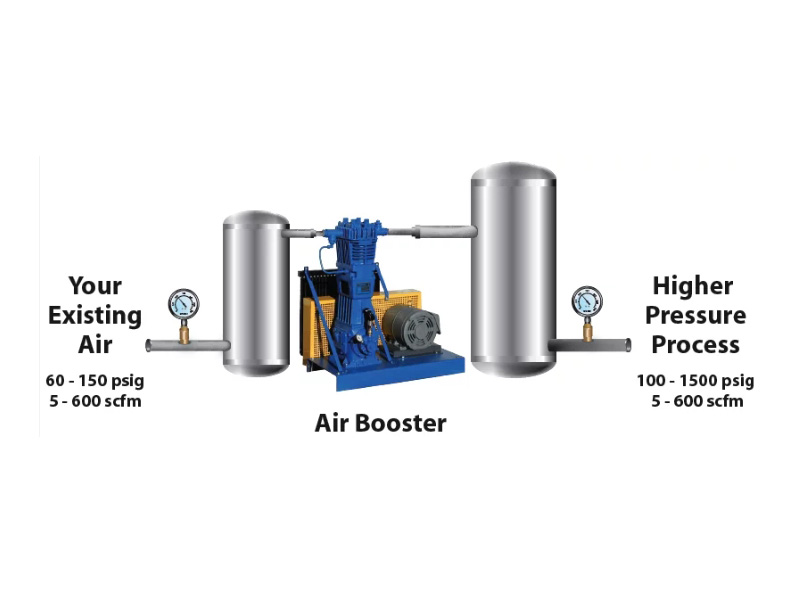
An air booster compressor is a specialized device designed to increase the pressure of compressed air to a desired level. Unlike regular compressors, a booster compresses pre-compressed air, allowing users to achieve significantly higher pressure without overloading the primary system. This makes booster air compressors an ideal choice for applications requiring ultra-high pressure.
How Does an Air Booster Compressor Work?
The working principle of a booster air compressor involves taking in pre-compressed air from a primary compressor and compressing it further. This two-stage process ensures that the pressure is elevated efficiently and safely. Many systems utilize air compressor boosters in industrial pipelines, ensuring consistent pressure delivery for demanding applications.
Applications of Air Booster Compressors
Air booster compressors serve a variety of applications, including:
Industrial Manufacturing: Enhancing pneumatic tools and machinery performance.
Automotive Industry: Providing high-pressure air for paint spraying and tire inflation systems.
Aerospace: Supplying pressurized air for testing and maintenance operations.
Petrochemical Industry: Delivering ultra-high pressure for critical operations like gas recovery.
Automotive Industry: Providing high-pressure air for paint spraying and tire inflation systems.
Aerospace: Supplying pressurized air for testing and maintenance operations.
Petrochemical Industry: Delivering ultra-high pressure for critical operations like gas recovery.
Air Booster Compressor vs. Air Compressor
While a standard air compressor delivers compressed air for general applications, an air compressor booster takes this to the next level by elevating the pressure. This difference makes the booster air compressor suitable for tasks where regular compressors fall short.
Advantages of Air Booster Compressors
High-Pressure Capability: A booster air compressor achieves higher pressures without requiring oversized primary compressors.
Energy Efficiency: By leveraging pre-compressed air, these systems reduce energy consumption.
Compact Design: Most air compressor boosters are space-efficient, making them easy to integrate into existing setups.
Buying Guide for Air Booster Compressors
An air booster compressor is an essential tool in many industrial and commercial settings where high-pressure air is a necessity. Whether you need an air compressor booster to elevate the pressure of existing systems or a booster air compressor for specialized tasks, choosing the right model is crucial.
How to Choose the Right Air Booster Compressor for Your Application
Choosing the perfect air booster compressor starts with understanding your specific requirements. Here are the main factors to consider:
Pressure Requirements
The primary function of a booster air compressor is to increase air pressure. Start by identifying the desired pressure level for your application. For instance, some systems may require pressures of up to 40 bar or more for industrial tools, while others need lower pressures for smaller equipment.
Capacity and Flow Rate
The capacity of an air compressor booster determines how much air it can compress over a given time. A mismatch between system demand and compressor capacity can lead to inefficiencies or equipment failures. Ensure the compressor’s flow rate matches your application’s requirements.
Durability and Build Quality
Industrial-grade air booster compressors are built to withstand rigorous use. Look for models with robust construction, high-quality materials, and reliable seals. Durability ensures long-term performance and minimizes maintenance costs.
Energy Efficiency
Modern air compressor boosters often come with energy-saving features. These not only reduce operational costs but also make your system more sustainable.
Portability or Fixed Installation
Depending on your application, you may require a portable booster air compressor for field operations or a stationary model for fixed setups.
Top Air Booster Compressor Manufacturers
Selecting a trusted manufacturer ensures quality, reliability, and support. Here are some top names to consider:
China Senior Booster Air Compressor Manufacturer - Kito
Kito is a well-known supplier of high-performance air booster compressors. Renowned for their innovative designs and durability, Kito’s products cater to a wide range of industries. When choosing a manufacturer, consider factors like warranty, after-sales service, and availability of replacement parts.
Cost of Air Booster Compressors
Understanding the cost dynamics of a booster air compressor is vital for budgeting and decision-making. The price of an air compressor booster varies depending on several factors:
Pressure and Capacity Specifications
High-pressure air booster compressors with greater flow rates typically cost more than standard models. For example, a compressor with a pressure capability of 60 bar will be more expensive than one designed for 10 bar.
Brand and Quality
Established brands like Kito may have a slightly higher price point due to their reputation for quality and reliability. However, investing in a reputable brand often results in lower long-term costs due to reduced maintenance and downtime.
Energy Efficiency Features
Compressors with energy-saving features or advanced technology may have a higher upfront cost but provide savings over time through reduced energy consumption.
Customizations
Custom-built air compressor boosters tailored for specific applications may incur additional costs.
General Price Range
Entry-level air booster compressors may start around $1,000 for basic models. High-end industrial units can exceed $10,000 depending on the specifications and features.
Maintenance and Troubleshooting Guide for Air Booster Compressors
Maintaining an air booster compressor is essential for ensuring long-term reliability and performance. Like any other industrial equipment, a booster air compressor requires routine care to prevent breakdowns and maximize efficiency.
How to Maintain an Air Booster Compressor
Regular maintenance of your air booster compressor not only extends its lifespan but also ensures consistent performance. Here are essential maintenance tips:
Inspect Components Regularly
Check for wear and tear in seals, hoses, and connections. Cracked hoses or loose fittings can lead to air leaks, reducing the efficiency of your air compressor booster.
Monitor and Change Lubricants
Lubrication is critical for minimizing friction between moving parts in a booster air compressor. Use high-quality lubricants and follow the manufacturer’s recommended schedule for oil changes.
Clean or Replace Air Filters
Dirty air filters can restrict airflow, forcing your air compressor booster to work harder. Clean filters periodically or replace them if heavily soiled.
Inspect Pressure Relief Valves
Ensure pressure relief valves are functioning properly. Faulty valves can compromise safety and efficiency.
Drain Moisture from Tanks
Moisture buildup in the tank is a common issue, especially in humid environments. Drain the tank regularly to prevent corrosion and maintain optimal performance.
Check Electrical Components
Inspect electrical connections, switches, and controls. Faulty electrical systems can lead to operational failures in your booster air compressor.
Follow the Manufacturer’s Maintenance Schedule
Adhering to the maintenance schedule provided by the manufacturer ensures that your air booster compressor remains in peak condition.
Common Problems with Air Booster Compressors and How to Fix Them
Despite regular maintenance, issues can occasionally arise with your air compressor booster. Here are common problems and troubleshooting steps:
Overheating
Cause: Insufficient lubrication, blocked air filters, or overloading.
Solution: Check and replace the oil, clean or replace filters, and ensure the compressor is operating within its capacity.
Solution: Check and replace the oil, clean or replace filters, and ensure the compressor is operating within its capacity.
Pressure Drops
Cause: Leaks in the system or faulty valves.
Solution: Inspect hoses, fittings, and seals for leaks and replace defective parts.
Solution: Inspect hoses, fittings, and seals for leaks and replace defective parts.
Excessive Noise
Cause: Loose components, worn bearings, or improper installation.
Solution: Tighten loose components, replace worn parts, and ensure the compressor is installed on a stable surface.
Solution: Tighten loose components, replace worn parts, and ensure the compressor is installed on a stable surface.
Reduced Efficiency
Cause: Dirty filters, improper lubrication, or worn internal components.
Solution: Clean filters, ensure adequate lubrication, and schedule professional servicing if needed.
Solution: Clean filters, ensure adequate lubrication, and schedule professional servicing if needed.
Failure to Start
Cause: Electrical issues or low air pressure in the primary system.
Solution: Check electrical connections, switches, and pressure settings. Reset the system if necessary.
Solution: Check electrical connections, switches, and pressure settings. Reset the system if necessary.
How to Improve the Efficiency of Your Air Booster Compressor
Efficiency is a key consideration for any booster air compressor. Implement these best practices to enhance performance:
Minimize Air Leaks
Regularly inspect the system for leaks. Even small leaks can lead to significant energy waste over time, reducing the effectiveness of your air booster compressor.
Optimize Pressure Settings
Avoid setting the pressure higher than necessary. Operating at excessive pressures increases energy consumption and wear on the air compressor booster.
Upgrade to Energy-Efficient Models
If your current booster air compressor is outdated, consider upgrading to a modern, energy-efficient model. Newer systems often feature advanced controls that optimize energy use.
Use Quality Replacement Parts
Always use high-quality components and parts when performing repairs. Inferior parts can compromise the performance and lifespan of your air compressor booster.
Regularly Monitor Performance
Install monitoring systems to track the compressor’s performance. This helps in identifying potential inefficiencies early and maintaining optimal output.
Train Operators
Ensure that operators are properly trained in using the booster air compressor. Misuse or neglect can lead to inefficiencies and breakdowns.
Technical Guide: Understanding High-Pressure Air Booster Compressors
High-pressure air booster compressors are critical components in various industrial and commercial applications. They are engineered to amplify air pressure levels beyond the limits of standard compressors, making them indispensable for tasks requiring exceptional power.
What Are the Specifications of a High-Pressure Air Booster Compressor?
High-pressure air compressor boosters are designed to meet demanding requirements in industries such as oil and gas, manufacturing, and aerospace. Key technical specifications to consider include:
Pressure Range
A high-pressure booster air compressor typically handles output pressures ranging from 40 bar (580 psi) to 350 bar (5,076 psi) or more. The exact range depends on the model and intended application.
Flow Rate (Capacity)
The flow rate indicates how much compressed air the system can deliver, measured in cubic feet per minute (CFM) or liters per minute (L/min). A typical air booster compressor offers flow rates between 10 CFM and 500 CFM, with specialized models exceeding this range.
Compression Stages
High-pressure air compressor boosters often use multiple compression stages to efficiently increase pressure while minimizing heat buildup. Common configurations include two-stage or three-stage systems.
Drive Systems
These compressors are available with different drive systems, such as electric motors, diesel engines, or pneumatic drives, to suit various operational environments.
Cooling Mechanisms
Advanced booster air compressors incorporate air or water cooling systems to manage the heat generated during compression. Effective cooling enhances performance and extends the system's lifespan.
Materials and Durability
High-quality materials like stainless steel and aluminum are used in construction to ensure durability and resistance to wear under extreme conditions.
Control Systems
Modern air compressor boosters feature automated control panels that monitor pressure levels, flow rates, and system performance. These controls improve safety and ease of operation.
What Is the Maximum Pressure an Air Booster Compressor Can Handle?
The maximum pressure capability of an air booster compressor depends on its design and application. Below are insights into the pressure capabilities of different systems:
Industrial-Grade Compressors
These compressors are commonly used in manufacturing and construction. They can handle pressures of up to 150 bar (2,176 psi), making them suitable for powering pneumatic tools and high-pressure air lines.
Specialized High-Pressure Models
Certain industries, such as aerospace and gas recovery, require ultra-high pressure. Specialized booster air compressors can achieve pressures as high as 350 bar (5,076 psi) or more.
Portable High-Pressure Units
Designed for fieldwork and portability, these air compressor boosters can deliver pressures of up to 200 bar (2,900 psi). They are commonly used in pipeline testing and maintenance.
Custom Solutions
For unique applications, custom-built air booster compressors are available, capable of exceeding 400 bar (5,800 psi). These systems are engineered to meet specific industrial needs, such as nitrogen or helium boosting.
Advantages of High-Pressure Air Booster Compressors
High-pressure air compressor boosters provide several advantages that make them a preferred choice for demanding applications:
Enhanced Efficiency
By utilizing pre-compressed air, a booster air compressor minimizes energy consumption while achieving higher pressures.
Versatility
These compressors are compatible with various gases, including air, nitrogen, and helium, making them suitable for diverse industrial processes.
Compact Design
Despite their high performance, many high-pressure air booster compressors are designed to be space-efficient, ensuring easy integration into existing systems.
Reliability in Extreme Conditions
High-quality construction materials and advanced cooling systems enable these compressors to operate reliably in harsh environments.
Air Booster Compressors Used in Industry-Specific
The versatility of an air booster compressor makes it a valuable asset across various industries. Whether boosting air pressure for complex manufacturing processes or enabling high-pressure operations in field settings, air compressor boosters are indispensable.
Air Booster Compressors for Industrial Applications
Industrial settings often require higher air pressures than standard systems can deliver. An air booster compressor is designed to amplify air pressure, ensuring optimal performance for demanding applications.
1. Oil and Gas Industry
The oil and gas sector frequently employs booster air compressors to manage high-pressure tasks:
The oil and gas sector frequently employs booster air compressors to manage high-pressure tasks:
Pipeline Testing: Ensures the integrity of pipelines by subjecting them to high-pressure air or gas.
Gas Recovery and Recompression: Enhances efficiency in gas extraction by recompressing gases like natural gas and nitrogen.
Blowout Prevention: Provides emergency air supply for critical safety equipment in drilling operations.
Gas Recovery and Recompression: Enhances efficiency in gas extraction by recompressing gases like natural gas and nitrogen.
Blowout Prevention: Provides emergency air supply for critical safety equipment in drilling operations.
2. Manufacturing Sector
In manufacturing, air compressor boosters are essential for precision and efficiency:
Pneumatic Tools: Delivers the high-pressure air required for tools like impact wrenches and nail guns.
Plastic Molding: Boosts air pressure for injection molding processes, ensuring accurate and efficient production.
Laser Cutting: Powers high-pressure assist gas systems to improve cutting quality and speed.
Plastic Molding: Boosts air pressure for injection molding processes, ensuring accurate and efficient production.
Laser Cutting: Powers high-pressure assist gas systems to improve cutting quality and speed.
3. Aerospace Applications
The aerospace industry relies heavily on air booster compressors for critical operations:
Component Testing: Used to test the durability of components under extreme pressures.
Hydraulic Systems: Provides high-pressure air to maintain and test hydraulic actuators and systems.
Pressure Testing: Ensures that various aircraft systems can withstand operational stresses.
Hydraulic Systems: Provides high-pressure air to maintain and test hydraulic actuators and systems.
Pressure Testing: Ensures that various aircraft systems can withstand operational stresses.
Portable Air Booster Compressors for Field Operations
While industrial booster air compressors are typically stationary, portable units have gained popularity for field operations requiring mobility and flexibility.
Benefits of Portable Air Booster Compressors
Mobility
Portable air compressor boosters are lightweight and equipped with wheels or handles, making them ideal for tasks that require frequent relocation.
Versatility
Suitable for a variety of applications, including pipeline maintenance, construction, and field testing, portable models can be easily adapted to different environments.
Energy Efficiency
Designed with compact yet efficient motors, these units minimize energy consumption, reducing operational costs.
Space-Saving Design
Portable air booster compressors are compact, requiring minimal storage space, which is advantageous in field settings or small workshops.
Considerations When Choosing a Portable Model
Pressure and Flow Requirements
Ensure the unit can meet your application’s specific pressure and flow demands. Portable models generally handle pressures up to 200 bar (2,900 psi), suitable for most field tasks.
Durability
Look for rugged designs with corrosion-resistant materials to withstand harsh outdoor conditions.
Power Source
Decide between electric, diesel, or gas-powered models based on the availability of power sources in your field environment.
Maintenance Needs
Choose a portable booster air compressor with accessible components for easy maintenance, especially when used in remote areas.
Noise Levels
Consider noise-reduction features if the compressor will be used in noise-sensitive environments.
Choosing the Right Air Booster Compressor for Your Industry
Selecting the ideal air booster compressor involves aligning its capabilities with your specific industry needs.
Oil and Gas Applications: Opt for high-pressure models capable of handling gases like nitrogen and natural gas.
Manufacturing: Choose a model with precise flow control for applications like molding and tool operation.
Aerospace: Invest in compressors with superior pressure stability and advanced safety features for testing and maintenance tasks.
Field Operations: For portable needs, prioritize durability, ease of transport, and multi-power compatibility.