Español
 العربية
 Pусский
Belt-driven air compressors are a staple in industries and workshops where reliable and efficient compressed air is essential. Known for their durability and versatility, these compressors are widely used in both commercial and industrial applications. In this article, we’ll explore the working mechanism, benefits, and maintenance of belt-driven air compressors, and provide insights into why they’re a great choice. Additionally, we’ll highlight China KITO, a leading supplier of high-quality belt-driven air compressors, as a trusted source for these essential tools.
What is a Belt-Driven Air Compressor?
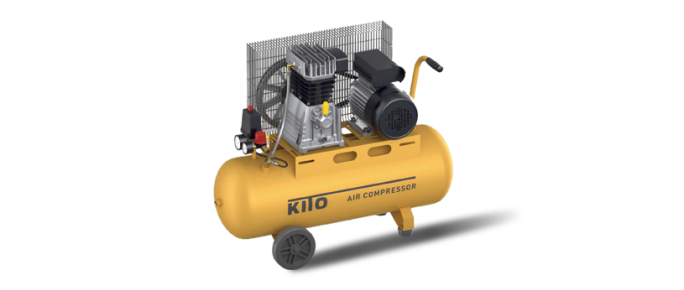
A belt-driven air compressor uses a belt system to transfer power from the motor to the pump. This design allows for smoother operation and reduced wear and tear compared to direct-drive models. By incorporating a belt, the system can adjust power delivery, making it more efficient and versatile for various applications. These compressors are ideal for situations where durability and long-term performance are critical.
How Does a Belt-Driven Air Compressor Work?
The operation of a belt-driven air compressor relies on a few key components:
Motor: Provides the energy required to drive the system.
Belt: Connects the motor to the pump and transfers rotational energy.
Pump: Compresses air by drawing it in and pressurizing it for storage in a tank.
When the motor runs, it drives the belt, which, in turn, powers the pump. This process creates compressed air that is stored in the tank and ready for use in tools, machinery, or other equipment. The belt mechanism allows the motor to run at optimal speeds, reducing strain and extending the life of the compressor.
Benefits of a Belt-Driven Air Compressor
Reduced Wear and Tear: The belt system absorbs shocks and vibrations, minimizing stress on the motor and pump.
Energy Efficiency: By allowing the motor to operate at its optimal speed, belt-driven systems consume less energy.
Longevity: Proper maintenance ensures these compressors can last for decades.
Versatility: Suitable for a wide range of applications, from small workshops to large industrial plants.
Belt-Driven vs. Direct-Drive Air Compressors: Which Is Better?
While both types have their advantages, belt-driven air compressors excel in scenarios requiring durability and flexibility:
Efficiency: Belt-driven compressors often operate more efficiently by reducing motor strain.
Noise Levels: Generally quieter than direct-drive models, making them ideal for indoor use.
Cost: Although initially more expensive, their longer lifespan and lower maintenance costs make them a better long-term investment.
Direct-drive compressors, on the other hand, are compact and require less initial investment, making them suitable for light-duty tasks.
Common Applications of Belt-Driven Air Compressors
Belt-driven air compressors are versatile tools used in:
Automotive Industry: Powering pneumatic tools for repairs and maintenance.
Construction: Operating heavy machinery like jackhammers and nail guns.
Manufacturing: Supplying consistent compressed air for assembly lines.
Workshops: Supporting tools like paint sprayers and air drills.
Their ability to handle high workloads makes them indispensable in these sectors.
How to Maintain a Belt-Driven Air Compressor
Proper maintenance is crucial to ensure the efficiency and longevity of your compressor. Here are some key tips:
Check Belt Tension: Regularly inspect the belt for proper tension and alignment to prevent slippage or wear.
Lubrication: Keep the moving parts well-lubricated to reduce friction and wear.
Clean Filters: Ensure air filters are clean to prevent contaminants from entering the system.
Inspect the Air Intake: Check the intake for debris that could affect performance.
Regular Servicing: Schedule professional maintenance to address potential issues early.
Lifespan and Durability of Belt-Driven Air Compressors
With proper care, a belt-driven air compressor can last 15 to 20 years or more. Factors such as usage intensity, environmental conditions, and maintenance practices significantly impact the lifespan. Investing in a high-quality compressor, like those from China KITO, further ensures reliability and durability.
Factors to Consider When Buying a Belt-Driven Air Compressor
When selecting a belt-driven air compressor, consider:
Power Requirements: Match the compressor’s output to your tool’s demands.
Tank Size: Larger tanks provide more air storage for prolonged use.
Portability: Choose between stationary and portable models based on your workspace.
Noise Levels: Opt for quieter models if working indoors.
KITO offers a range of compressors that cater to various needs, ensuring you find the perfect fit.
Noise Levels of Belt-Driven Air Compressors
Belt-driven compressors are known for their quieter operation compared to direct-drive models. This makes them ideal for indoor use or environments where noise reduction is important.
Different Types of Belt-Driven Air Compressors
Single-Stage Compressors: Compress air in a single stroke, suitable for light to medium-duty tasks.
Two-Stage Compressors: Compress air in two stages, providing higher pressure for demanding applications.
Each type serves different purposes, and KITO offers both options to meet diverse requirements.
Why Choose KITO Belt-Driven Air Compressors?
China KITO is renowned for its commitment to quality and innovation. Here’s why KITO stands out:
High-Quality Materials: Built to withstand demanding applications.
Innovative Design: Ensures efficiency and user-friendliness.
Comprehensive Support: KITO provides excellent customer service and after-sales support.
Explore KITO’s offerings at China KITO to find the ideal compressor for your needs.
Conclusion
Belt-driven air compressors are a reliable and efficient choice for a wide range of applications. Their durability, efficiency, and versatility make them a valuable investment for both individuals and industries. By choosing a trusted supplier like China KITO, you ensure top-notch quality and performance. Visit China KITO today to explore their extensive range of belt-driven air compressors.