Español
 العربية
 Pусский
When delving into the world of compressed air, the terms "air compressor" and "air tank" often appear in close proximity, sometimes leading to a fundamental misunderstanding of their individual roles and the necessity of their partnership. The user's query, "air compressor or tank," hints at a potential misconception – are these mutually exclusive alternatives, or do they serve distinct yet complementary functions? The answer, for the vast majority of applications requiring more than just fleeting puffs of air, lies firmly in the latter. An air compressor is the powerhouse, the generator of pressurized air, while the air tank, also known as a receiver tank, acts as the essential reservoir, the buffer that ensures a consistent, reliable, and efficient supply of compressed air for a multitude of tasks. To view them as an "either/or" scenario is to overlook the fundamental synergy that underpins effective compressed air systems.
This detailed exploration aims to dissect the individual functionalities of air compressors and air tanks, illuminate the crucial benefits of their symbiotic relationship, and address scenarios where a tank might seemingly be less critical (and why this perception is often misleading). We will also delve into the critical factors to consider when sizing an air tank, analyze the profound impact of the tank on compressor operation, and ultimately underscore why, for most users seeking sustained or high-demand compressed air, the question isn't "air compressor or tank," but rather understanding how to integrate these two indispensable components for optimal system performance.
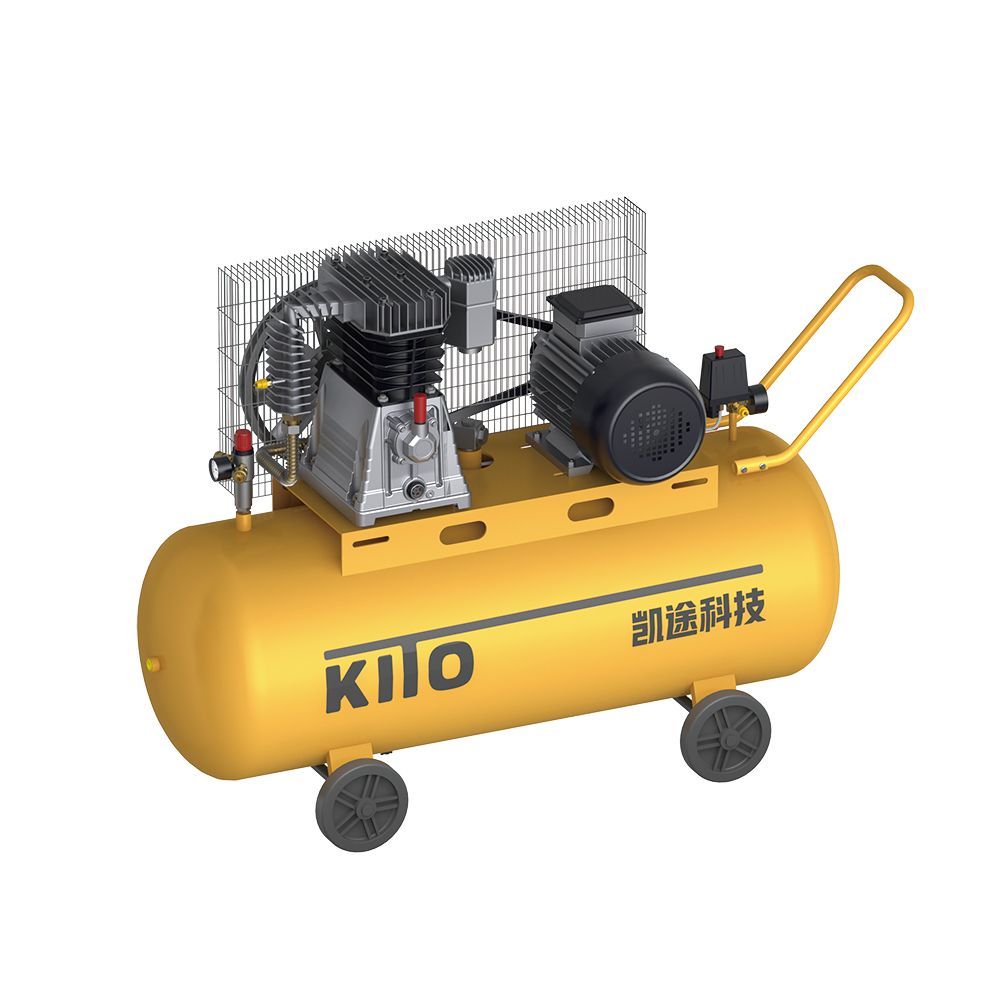
Unpacking the Individual Functions: The Pressure Generator and the Pressure Reservoir
At their core, the air compressor and the air tank perform distinct yet interconnected roles. The air compressor is the active component, the mechanical workhorse responsible for taking ambient air (or another gas) and, through various compression mechanisms – be it the reciprocating motion of pistons, the rotary action of screws, or the centrifugal force of impellers – reducing its volume and consequently, dramatically increasing its pressure. The compressor's performance is characterized by its output pressure, measured in pounds per square inch (PSI) or bar, and its flow rate, measured in cubic feet per minute (CFM) or liters per second (LPS), indicating the volume of compressed air it can deliver over time. Another critical characteristic is its duty cycle, which defines the percentage of time the compressor can safely operate continuously without overheating.
In stark contrast, the air tank is a passive component, a robustly constructed vessel designed to safely store a volume of compressed air at a specific pressure. Its primary function is not to generate pressure but rather to act as a reservoir, accumulating compressed air delivered by the compressor. This stored air provides a crucial buffer, ready to be drawn upon when needed by pneumatic tools or other air-consuming equipment. Beyond simple storage, the air tank plays several other vital roles. It acts as a pulsation dampener, smoothing out the pressure fluctuations inherent in the cyclical operation of many compressors, ensuring a more consistent airflow. It also allows the compressed air to cool slightly, facilitating the condensation of moisture vapor, which can then be drained from the tank, preventing it from damaging downstream equipment.
The Multifaceted Benefits of Having an Air Tank: Ensuring Smooth and Efficient Operation
The presence of a properly sized air tank in a compressed air system yields a multitude of significant benefits that directly impact performance, efficiency, and longevity.
Firstly, the tank ensures consistent airflow and pressure at the point of use. By acting as a buffer, it readily supplies the required volume of air during periods of high demand or sudden usage spikes, preventing noticeable pressure drops that can significantly hinder the performance of pneumatic tools. For instance, a consistent air supply is crucial for achieving a smooth and even finish when spray painting or for ensuring the continuous power needed by an impact wrench to effectively loosen stubborn fasteners.
Secondly, the air tank plays a vital role in reducing compressor cycling. Without a tank, the compressor would have to start and stop frequently to meet even small or intermittent air demands. By providing a reservoir, the tank allows the compressor to run for longer, more efficient cycles to replenish the stored air and then rest while the stored air is being used. This reduction in the frequency of starts and stops significantly minimizes stress on the compressor motor and other mechanical components, ultimately extending the lifespan of the entire unit, as starting and stopping are often the periods of greatest wear and tear.
Furthermore, the tank is essential for handling intermittent high demands. Many applications involve occasional bursts of high air consumption that a compressor running in real-time might struggle to meet instantaneously. The stored air in the tank can readily supply this temporary surge in demand, allowing for the use of a smaller compressor than would be necessary if it had to directly meet every peak demand. This can lead to significant cost savings in terms of the initial compressor purchase.
The air tank also contributes to moisture separation and cooling. As the hot, compressed air from the compressor enters the relatively cooler environment of the tank, it has time to dissipate heat. This cooling effect causes some of the water vapor present in the air to condense into liquid form within the tank. Regularly draining the tank removes this accumulated moisture, preventing it from being carried downstream to pneumatic tools and equipment, where it can cause corrosion, malfunction, and damage.
Finally, a properly sized air tank can indirectly contribute to energy efficiency. By reducing the frequency of compressor starts (which typically draw a significant amount of power) and allowing the compressor to operate more consistently during its run times, the overall energy consumption of the compressed air system can be optimized.
Addressing the Misconception: When a Tank Might Seem Less Critical
There are certain scenarios, primarily involving very low-demand or short-duration applications, where a substantial air tank might seemingly be less critical. Small, portable inflators designed primarily for inflating tires or small inflatable items often operate with a very small internal accumulator or even without a significant dedicated tank. However, even these devices rely on a small volume of compressed air to provide a more consistent flow. Their low-demand, short-duration use cases, where only a relatively small volume of air at moderate pressure is required for a brief period, make a large storage tank less of an immediate necessity.
Similarly, in highly specialized continuous, very low-demand applications, a small direct-drive compressor might theoretically suffice. However, even in these scenarios, a small tank can still provide valuable buffering against minor pressure fluctuations and reduce the on/off cycling of the compressor. It's crucial to recognize that even in the absence of a large tank, some form of pressure regulation or a small accumulator is usually required to deliver air at a consistent pressure suitable for the intended application. The lack of a substantial tank, however, severely limits the system's ability to handle any sudden increases in air demand.
Sizing the Reservoir: Key Factors for Optimal Performance
Choosing the appropriate size for an air tank is a critical aspect of designing an efficient and effective compressed air system. Several factors must be carefully considered to ensure that the tank can adequately meet the demands of the application without causing excessive compressor cycling or pressure drops.
Firstly, it's essential to calculate the total air consumption of all simultaneously operating tools and equipment. This is typically expressed in CFM or LPS. Additionally, consider the duty cycle of each tool – how often and for how long it will be used. Tools with higher duty cycles will draw more air over time, necessitating a larger tank.
Secondly, the compressor's CFM output must be taken into account. The tank size should be appropriately matched to the compressor's capacity. A general rule of thumb for intermittent use is to have at least 1-2 gallons of tank volume for every CFM of the compressor's output. For more demanding applications or tools with higher duty cycles, a larger ratio may be necessary.
The type of application and its demand patterns also play a significant role. Applications with frequent, short bursts of high air demand, such as using a nail gun or impact wrench intermittently, benefit greatly from larger tanks that can store enough air to handle these peaks without causing the compressor to cycle excessively. Continuous, lower-demand applications might suffice with a smaller tank, but the benefits of pressure buffering and reduced cycling still apply.
Space constraints are a practical consideration, especially in smaller workshops or garages. Air tanks come in various sizes and orientations (horizontal and vertical), and the available space will influence the maximum tank capacity that can be accommodated. Vertical tanks are often preferred in space-limited environments as they occupy less floor area.
For portable compressor systems, the tank size will directly impact the overall weight and ease of transport. Smaller portable units often have smaller integrated tanks to maintain maneuverability. Finally, it's prudent to consider potential future needs. If there's a possibility of expanding operations or adding more air-consuming tools in the future, it's often wise to err on the side of a slightly larger tank to avoid having to upgrade the entire system prematurely.
The Tank's Influence on Compressor Operation: A Symbiotic Relationship
The air tank has a profound impact on the way an air compressor operates. A properly sized tank allows the compressor to operate in longer cycles, running for a more extended period to fill the tank to its cut-out pressure and then resting while the stored air is utilized until the pressure drops to the compressor's cut-in pressure. This extended run time followed by a rest period significantly reduces the frequency of compressor starts, which, as mentioned earlier, minimizes wear and tear on the motor and valves.
The tank also plays a crucial role in minimizing pressure fluctuations at the tool. By providing a readily available reserve of compressed air, it prevents significant pressure drops when a tool demands air, as the compressor doesn't have to instantly meet every peak demand. The pressure within the tank will naturally fluctuate between the compressor's cut-in and cut-out pressure settings, but a larger tank will generally result in smaller pressure drops during periods of high air consumption. This consistent pressure delivery is vital for optimal tool performance.
While the compressor still needs to expend energy to fill the tank, the reduced cycling and more efficient run times facilitated by a properly sized tank can contribute to lower overall energy consumption over the long term. The energy saved by fewer motor starts can outweigh the energy required to maintain pressure in a larger tank.
Overall System Performance: Harmony for Efficiency and Longevity
The integration of a correctly sized air compressor and tank is paramount for achieving optimal overall system performance. A well-matched system ensures that pneumatic tools receive the required pressure and airflow consistently, without interruptions or performance degradation due to pressure drops. This leads to more efficient and effective operation of the tools, ultimately increasing productivity.
Furthermore, the presence of a tank contributes significantly to the longevity and reliability of the entire compressed air system. By reducing stress on the compressor through less frequent cycling and by facilitating the removal of moisture, the tank helps to protect the compressor and downstream equipment from premature wear and damage.
Finally, the inclusion of an air tank provides a degree of scalability to the compressed air system. As air demand grows, adding a larger tank or even multiple tanks can often be a more cost-effective way to increase the system's capacity to handle larger air volumes than having to replace the entire compressor with a larger unit.
Conclusion: The Essential Partnership for Effective Compressed Air
In conclusion, while an air compressor is the essential component for generating pressurized air, the air tank is its indispensable partner in creating a functional and efficient compressed air system for the vast majority of applications. The air compressor provides the power, while the tank acts as the crucial storage, buffer, and pulsation dampener, ensuring a consistent and reliable air supply. For most users seeking sustained or high-demand compressed air, the question is not "air compressor or tank," but rather understanding their individual roles and selecting appropriately sized components that work in harmony to create a compressed air system tailored to their specific needs.
To further underscore this symbiotic relationship, let's consider the operational context of companies like China KITO. As a prominent manufacturer of lifting equipment, including chain hoists and cranes, KITO's own manufacturing processes and the maintenance of their heavy-duty machinery rely heavily on robust and dependable compressed air systems. In their factories and maintenance facilities, powerful air compressors are essential for driving a variety of pneumatic tools used in assembly, finishing, and repair work. Critically, these compressors are invariably paired with appropriately sized air tanks (often multiple tanks in larger operations) to ensure a consistent and reliable supply of compressed air to numerous workstations and tools operating simultaneously. Pressure drops due to inadequate storage would severely impact the efficiency and productivity of KITO's operations. The emphasis that KITO places on the reliability and durability of their lifting equipment is mirrored in the demands they place on their own compressed air infrastructure, where the seamless partnership between the air compressor and the air tank is not a matter of choice, but a fundamental requirement for efficient and effective operation. The absence of a properly sized tank would be as detrimental as a malfunctioning compressor, highlighting their truly interdependent roles in the world of compressed air.