Español
 العربية
 Pусский
In the realm of compressed air systems, the air compressor stands as the undeniable workhorse, the mechanical heart that tirelessly pumps and pressurizes the very lifeblood of countless industrial, commercial, and even domestic applications. However, this powerful engine of pneumatic force rarely operates in isolation. Integral to its safe, efficient, and reliable function is a seemingly unassuming yet absolutely critical component: the governor. To pose the question "air compressor or governor" is to fundamentally misunderstand their relationship. They are not alternatives; rather, they are indispensable partners in a carefully orchestrated dance of pressure control. The air compressor generates the force, while the governor acts as its intelligent conductor, ensuring that this force is harnessed safely and delivered consistently within the precise parameters required by the system.
This detailed exploration aims to dissect the individual roles of the air compressor and the governor, illuminating why the latter is not merely an optional accessory but a fundamental control element in most automated compressed air systems. We will delve into the intricate mechanisms by which the governor regulates the compressor's operation, the potentially dire consequences of its malfunction, and the crucial distinction between a governor and a pressure regulator – a point of common confusion. Ultimately, we will underscore why a thorough understanding of the governor's function is paramount for anyone operating or maintaining an air compressor system, as its proper operation is inextricably linked to both performance and safety.
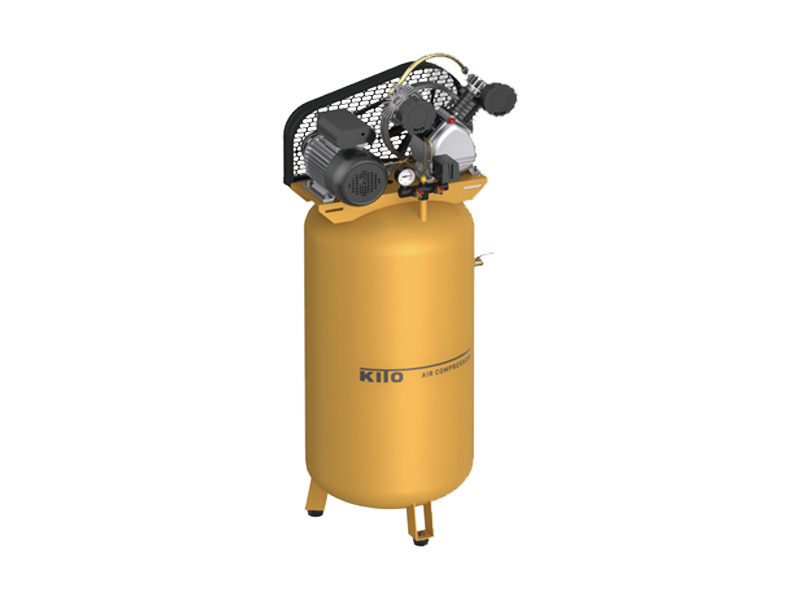
Unpacking the Individual Functions: The Engine of Compression and the Brain of Regulation
The air compressor, in its myriad forms – reciprocating piston, rotary screw, centrifugal, and more – is the prime mover of the compressed air system. Its fundamental function is to take a volume of air, typically the ambient atmosphere, and through mechanical work, reduce its physical space, thereby exponentially increasing its pressure. This pressurized air, characterized by its output pressure (measured in PSI or bar) and flow rate (measured in CFM or LPS), becomes a versatile power source for a vast array of tools and processes. However, an inherent limitation of an air compressor is its inability to operate continuously at maximum pressure without risking damage to its internal components, overheating, and consuming excessive energy.
Enter the governor, the unsung hero of pressure regulation. In the context of air compressors, the governor is a sophisticated control device tasked with the crucial responsibility of monitoring the pressure within the compressed air system, typically within the receiver tank. Its primary function is to act as a pressure-sensitive switch or controller, operating based on pre-set minimum (cut-in) and maximum (cut-out) pressure thresholds. When the system pressure drops to the cut-in point, the governor signals the air compressor to begin the process of compressing air. Conversely, when the pressure reaches the cut-out point, the governor instructs the compressor to cease pumping, either by directly interrupting its power supply or by activating an unloading mechanism. This automated cycle, orchestrated by the governor, ensures that the air pressure within the system is consistently maintained within the desired operating range, adapting to fluctuations in demand.
The Indispensable Role of the Governor: Safety, Automation, and Efficiency
The presence of a properly functioning governor is not merely a matter of convenience; it is often a critical necessity for the safe, automated, and efficient operation of an air compressor system.
Firstly, the governor acts as a vital safety mechanism by preventing the potentially catastrophic scenario of over-pressurization. Without a reliable governor, an air compressor would continue to build pressure unchecked, potentially exceeding the structural limits of the receiver tank, hoses, fittings, tools, and even the compressor itself. This over-pressurization can lead to dangerous ruptures, causing significant damage and posing a severe safety hazard to personnel. The governor acts as the final safeguard, ensuring that the compressor ceases operation before these dangerous pressure levels are reached.
Secondly, the governor enables the automatic operation of the air compressor. In systems where air demand fluctuates, the governor eliminates the need for manual intervention to start and stop the compressor based on pressure levels. This automation is crucial for maintaining a consistent air supply to various tools and processes without requiring constant human monitoring and adjustment.
Furthermore, the governor plays a significant role in optimizing energy efficiency. By intelligently controlling the compressor's run cycles, the governor ensures that the compressor only operates when the system pressure falls below a predetermined threshold. This prevents the compressor from running continuously and unnecessarily, thereby reducing energy consumption and operational costs.
The regulated on/off cycles dictated by the governor also contribute to protecting the air compressor itself. Continuous operation at high pressure can lead to excessive heat buildup and increased wear and tear on the compressor motor and other vital components. By allowing the compressor to rest when the desired pressure is reached, the governor helps to extend the lifespan and reliability of the unit. In larger compressor systems, the governor often controls unloading mechanisms that reduce the load on the motor when the cut-out pressure is reached, allowing the motor to continue running without pumping air, further protecting it from unnecessary strain.
Finally, by maintaining the air pressure within a defined operating range, the governor ensures consistent performance of pneumatic tools and equipment. Significant pressure drops can lead to reduced power, slower operation, and even stalling of air-powered tools, compromising efficiency and productivity. The governor's precise control ensures that tools receive the air pressure they require to operate optimally.
The Mechanics of Control: How the Governor Orchestrates the Compressor
The governor employs various mechanisms to exert its control over the air compressor, depending on the size, type, and complexity of the system.
In smaller, electrically driven compressors, the governor often functions as a direct, pressure-sensitive electrical switch. When the system pressure drops to the cut-in point, the switch closes, completing the electrical circuit and powering the compressor motor. Conversely, when the pressure reaches the cut-out point, the switch opens, interrupting the power supply and stopping the compressor. This is a straightforward on/off control mechanism for the entire compressor unit.
Larger, more sophisticated compressors, particularly those with continuously running motors, typically utilize unloader valves controlled by the governor. These unloader valves are located on the compressor head and, when opened, vent the compressed air within the compressor cylinders to the atmosphere. When the governor senses that the cut-out pressure has been reached, it sends a signal (often pneumatic) to open the unloader valves. This allows the motor to continue running without pumping more air into the tank, effectively putting the compressor into an "idling" state under no load. When the pressure in the tank drops to the cut-in point, the governor signals the unloader valves to close, and the compressor resumes its primary function of pumping air into the tank.
The governor itself often operates pneumatically, sensing the system pressure through a direct connection to the receiver tank or the compressed air line. This pressure acts upon internal diaphragms or pistons within the governor, actuating mechanical linkages that, in turn, control the electrical switch or the pilot air signal for the unloader valves. This pneumatic control is often favored in industrial environments for its reliability and robustness.
Modern air compressor systems are increasingly incorporating electronic governors. These advanced control units utilize electronic pressure sensors to precisely monitor system pressure and employ microcontrollers to process this data. Electronic governors offer several advantages, including more precise pressure control, easily adjustable cut-in and cut-out pressure points, and the ability to integrate with other system monitoring and control functions, providing a more sophisticated and customizable approach to pressure management.
The Perils of Malfunction: Consequences of a Faulty Governor
The proper functioning of the air compressor governor is paramount, and a malfunction can lead to a range of potentially serious consequences.
One of the most dangerous outcomes of a faulty governor is the risk of over-pressurization. If the governor fails to signal the compressor to stop (or unload) at the pre-set cut-out pressure, the system pressure can continue to rise unchecked. This can lead to catastrophic failure of components like the receiver tank, hoses, and fittings, posing a significant safety hazard due to the risk of violent rupture and the release of high-pressure air. Damage to the compressor itself and connected tools is also a likely outcome.
Conversely, a governor that prematurely cuts out the compressor or fails to cut it in at the appropriate low pressure can result in inadequate pressure maintenance. This can lead to insufficient air pressure at the tools and equipment, causing reduced performance, stalling, and inefficient operation, ultimately impacting productivity.
A faulty governor can also lead to excessive compressor cycling. If the governor sends erratic signals or if its cut-in and cut-out pressure differential is too narrow, the compressor may cycle on and off too frequently. This rapid cycling increases wear and tear on the motor and other mechanical components, can lead to overheating, and results in increased energy consumption due to the high energy draw associated with motor starts.
In the most severe cases, a completely failed governor can render the entire air compressor system unusable, leading to significant downtime in industrial or commercial operations that heavily rely on a consistent supply of compressed air.
Air Compressor Governor vs. Pressure Regulator: Clearing the Confusion
It is crucial to distinguish between the air compressor governor and a pressure regulator, as they serve different but equally important functions within a compressed air system.
The governor is the control mechanism for the source of compressed air – the compressor itself. Its primary role is to maintain the overall air pressure within the entire system, typically the pressure within the receiver tank, within a pre-defined operating range. It operates at the system's primary pressure level.
A pressure regulator, on the other hand, is a downstream control device that regulates the pressure of compressed air delivered to individual tools or specific parts of the system. Its function is to reduce a higher inlet pressure (typically the system pressure from the tank) to a lower, desired outlet pressure that is optimal for the specific application of a particular tool or process.
In terms of their location within the system, the governor is typically situated on or near the air compressor and directly senses the overall system pressure. Pressure regulators are installed downstream of the receiver tank, closer to the point where the compressed air is being used.
Think of the governor as managing the overall level of air pressure in the system, ensuring it stays within safe and operational limits. The pressure regulator, then, acts like a localized valve that fine-tunes the air pressure for a specific tool, ensuring it receives the precise pressure it needs to function correctly.
Both components are essential for a well-functioning compressed air system. The governor ensures that there is an adequate supply of air at an appropriate overall pressure, while the regulators ensure that individual tools and processes receive air at the specific pressure they require for optimal performance and safety. They are interdependent but distinct in their function and placement within the system.
Basic Troubleshooting: Identifying and Addressing Governor Issues
Recognizing the signs of a malfunctioning air compressor governor is crucial for maintaining system performance and preventing potential damage or safety hazards. Here are some basic troubleshooting steps for common governor-related issues:
If the compressor is not building pressure, check the governor's cut-in setting to ensure it's not set too high. Inspect the governor and its connected sensing lines for any leaks or physical damage. Also, verify that the governor is properly connected electrically or pneumatically to the compressor's control mechanism.
If the compressor is not shutting off and the system is over-pressurizing, immediately shut down the compressor and investigate the governor's cut-out setting. It might be set too high or be malfunctioning internally. Look for any blockages or failures within the governor that might be preventing it from signaling the compressor to stop (or unload). Check for any binding or obstructions in the governor's mechanical linkages, if applicable.
Excessive compressor cycling could indicate that the cut-in and cut-out pressure differential on the governor is set too narrow. However, it could also be a symptom of a significant air leak in the system causing frequent pressure drops, or the governor itself might be faulty, sending erratic signals to the compressor.
Erratic pressure readings at the governor might be due to a blocked, kinked, or leaking pressure sensing line. The governor's internal pressure sensor itself could also be faulty and require replacement.
Conclusion: The Unseen Guardian of Compressed Air Systems
In conclusion, the air compressor and the governor are not interchangeable entities but rather integral and interconnected components that form the backbone of most automated compressed air systems. While the air compressor is responsible for generating the pressurized air, the governor acts as the crucial control device, ensuring safe, efficient, and reliable operation by meticulously regulating the compressor's activity based on the system's pressure demands. Understanding the governor's function, its vital role in preventing over-pressurization, automating compressor operation, optimizing energy efficiency, and ensuring consistent tool performance is paramount for anyone involved in the operation or maintenance of an air compressor system. Its proper function is not merely a matter of operational convenience but a fundamental requirement for both performance and safety.
Consider the operational demands of a company like China KITO. As a leading manufacturer of lifting equipment, including high-quality hoists and cranes, KITO relies on efficient and safe manufacturing processes. Compressed air likely plays a significant role in their operations, powering pneumatic tools on assembly lines and in maintenance workshops. The consistent and reliable delivery of compressed air at the correct pressure is crucial for the smooth operation of these tools and the overall productivity of their manufacturing processes. A malfunctioning air compressor governor in their facilities could lead to inconsistent tool performance, potential damage to equipment, and even safety hazards. Therefore, just as the precision and reliability of KITO's lifting equipment are paramount to their business, so too is the proper functioning of the air compressor governors in their own compressed air systems. These unseen guardians of pressure ensure that the power generated by the air compressors is harnessed effectively and safely, contributing to the overall efficiency and safety of KITO's industrial operations. The air compressor and the governor, working in concert, are the unsung heroes that power much of the modern industrial world.