Español
 العربية
 Pусский
As we know, compressed air is used to help manufacture a wide range of products which includes products from the food and beverage, medical and even electronics industries. Whether you manage a workshop or operate a food manufacturing facility, the abundance of air compressors available today can make it challenging to determine the most suitable option for your specific needs. When contemplating the purchase of a new air compressor, one crucial decision is whether to opt for an oil lubricated model or an oil free counterpart.
Although both types of air compressors share the common goal of generating compressed air to power various machinery, the choice between them ultimately depends on the intended application. Varied industries have distinct requirements for compressed air, particularly in terms of the desired purity level.
Conventional oil lubricated air compressors fall short when it comes to meeting the demands of manufacturing processes in certain industries. This is precisely why an oil free compressor becomes a necessity. However, it's important to note that oil free air compressors must adhere to specific standards to guarantee the production of completely oil free compressed air.
Benefits of an Oil Free Air Compressor
An oilless air compressor offers a significant advantage in that it eliminates the risk of contamination. Industries such as food and beverage, as well as medical sectors, heavily depend on pristine compressed air for their manufacturing processes. Therefore, having a reliable source of oil free air from a compressor is crucial. In particular, the medical and dental fields prioritize oil free compressed air, especially when it is intended for human consumption. Imagine the undesirable prospect of inhaling air contaminated with oil during a visit to the dentist—it's certainly not an ideal scenario!
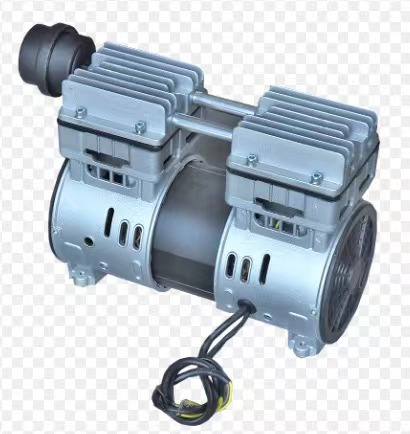
5 Tips for Oil Free Air Compressor Maintenance
The prevalence of oil free air screw compressors across various industries is indisputable.
In contrast to their oil lubricated counterparts, these air compressors demand minimal maintenance. The oil in oil free compressors serves solely for the lubrication of bearings and gears, playing no role in the compression process itself. Notably, the oil operates at lower pressures and temperatures compared to its counterpart in oil injected screw compressors.
By adhering to a routine maintenance schedule, you can mitigate the risk of contamination, curtail long term maintenance expenses, and extend the lifespan of your compressor, postponing the necessity for a replacement. This is particularly crucial in industries such as metal fabrication, involving processes like sandblasting and painting, as well as in automotive, agricultural, woodworking, and other sectors.
1. Keep the Pressure in Control
Maintaining optimal pressure levels is crucial for ensuring the maximum efficiency and productivity of an oil free air compressor. This stands out as a key point in the maintenance checklist for oil free screw air compressors. Therefore, it is essential to regularly check the operational pressure of the air compressor. If the pressure is excessively high, there's a significant risk that your oil free air compressor might face issues in the near future.
Determining the right pressure level is not a one size fits all situation; it varies for each air compressor. It's imperative to consult the instructions provided and identify the recommended maximum pressure for your specific oil free air compressor. Additionally, factors such as weather conditions necessitate extra attention in the maintenance of your oil free air compressor. Thoroughly reading the instruction manual is crucial to ensure optimal performance and longevity of your air compressor.
2. Ensure Your Power Lead is Functional
Taking any risks with the cables of your air compressor is not advisable. Over time, the power lead may undergo wear and tear, diminishing the efficiency of the oil free screw air compressor.
This can result in increased power consumption for running the compressor and may lead to heat accumulation in the cable, the starter, and the main motor, ultimately causing costly failures.
It is crucial to regularly inspect the cable and proactively replace it before it reaches a point of failure or damage. If you observe initial signs of wear and tear, it's imperative to address the issue promptly by replacing or repairing the cable.
Faulty cables not only compromise efficiency but also pose the risk of electrical shocks and other accidents. Scheduling routine checkups of the power lead with your electrical team is essential to prevent any potential issues and ensure the safe and optimal functioning of your air compressor.
3. Keep an Eye on the Leaks
Emphasizing this point is crucial – maintaining a vigilant eye on your oil free air compressor to prevent leaks is imperative.
Perform thorough checks both during the operation and when the air compressor is turned off to promptly identify any potential leaks. Including this step in your oil free air compressor maintenance checklist is essential.
Should any indication of leakage be observed, take immediate action to rectify the issue. Ignoring leaks can significantly degrade the performance of your oil free screw air compressor.
4. Evaluate the Air Filter Regulatory
Ensuring the air filter is in optimal condition is essential for the effective operation of the oil free air compressor.
If you encounter difficulty locating the air filter, consult the manual for guidance on its placement. For air filters made of paper, it is crucial to replace them at the first indication of wear and tear.
Before installing a new air filter, confirm that it is completely dry. We strongly recommend immediate replacement of the air filter, as it plays a pivotal role in the performance of air compressors.
5. Some Additional Maintenance
Conducting a visual inspection of your air compressor holds significant importance. Regularly scrutinize seals, valves, hoses, and other components for any indications of leakage, cracks, or signs of wear and tear.
Verify the functionality of your air compressor's safety valve. Achieve this by allowing the compressor to reach its shut off pressure limit and pulling the safety valve ring. If the valve fails to shut off automatically or release the air, it should be promptly checked.
Maintain a vigilant eye on the performance of your air compressor. Ensure that it operates at the correct pressure level for optimal functionality.
After years of accumulated production, research and development experience, KITO has achieved the best production process standards. Through strict inspection and monitoring throughout the entire process from trial production to finished oil free screw compressor, we ensure that the quality of them meets the standards and customers’ requirements.