Español
 العربية
 Pусский
In industries relying on compressed air for various applications, choosing the right compressor is critical. The debate between variable speed compressors vs fixed speed compressors often centers around efficiency, cost, and operational needs. Next, China Kito will provide an in-depth analysis, helping you understand the differences, advantages, disadvantages, and how to select the right compressor for your business.

Definitions: VSD Vs. Fixed Speed Compressor
| What is a Fixed-Speed Compressor? | What is a Variable-Speed Compressor (VSD)? |
|---|---|
| A fixed-speed compressor operates at a constant speed, maintaining a steady flow of compressed air. The motor runs at the same revolutions per minute (RPM) regardless of the demand, producing a continuous air supply until the desired pressure is reached or the machine is turned off. | A variable-speed compressor (also called a VSD compressor) uses a variable frequency drive to adjust the motor speed according to the demand for compressed air. By varying the speed of the motor, it delivers only the amount of air needed, significantly reducing energy waste and optimizing efficiency. |
When to Use: Variable-Speed Vs. Fixed-Speed Air Compressor
| When to Use a Fixed-Speed Compressor | When to Use a Variable-Speed Compressor |
|---|---|
| Applications with Consistent Air Demand: Fixed-speed compressors are ideal for operations where air usage remains constant, such as in manufacturing lines or processes that run continuously. | Fluctuating Air Demand: VSD compressors excel in environments where air usage varies throughout the day, such as in assembly plants, packaging operations, and workshops. |
| Lower Initial Cost Requirements: These compressors are cost-effective to purchase, making them suitable for businesses with tight budgets. | Energy Efficiency is a Priority: VSD compressors reduce energy consumption by adjusting motor speed, resulting in significant cost savings for businesses with varying demand. |
| Simpler Maintenance Needs: Fixed-speed compressors have a simpler design and are easier to maintain, reducing long-term servicing costs. | Noise-Sensitive Environments: The ability to operate at lower speeds during low demand reduces noise levels, making VSD compressors ideal for indoor or noise-sensitive areas. |
How to Choose: Variable-Speed Vs. Fixed-Speed Air Compressor
1. Assess Your Air Demand
Stable Air Needs: Opt for a fixed-speed compressor if your operations require a consistent and predictable air supply.
Variable Air Needs: Choose a VSD compressor for applications with fluctuating demand to save energy and reduce operational costs.
Variable Air Needs: Choose a VSD compressor for applications with fluctuating demand to save energy and reduce operational costs.
2. Consider Initial and Long-Term Costs
Initial Cost: Fixed-speed compressors are generally less expensive to purchase and install.
Operating Costs: VSD compressors have higher upfront costs but can offer significant savings in energy and maintenance over time.
Operating Costs: VSD compressors have higher upfront costs but can offer significant savings in energy and maintenance over time.
3. Evaluate Efficiency Goals
Energy Consumption: If reducing energy consumption is a top priority, a VSD compressor is the better choice.
Simplicity: For straightforward operations with minimal downtime, fixed-speed compressors are a practical option.
Simplicity: For straightforward operations with minimal downtime, fixed-speed compressors are a practical option.
4. Noise and Environmental Impact
Noise Levels: If your facility has strict noise regulations, VSD compressors are quieter and more environmentally friendly.
Carbon Footprint: VSD compressors help lower carbon emissions by consuming less energy.
Carbon Footprint: VSD compressors help lower carbon emissions by consuming less energy.
5. Operational and Maintenance Needs
Ease of Maintenance: Fixed-speed compressors have fewer moving parts and simpler maintenance routines.
Advanced Monitoring: VSD compressors often include advanced control systems, allowing for better monitoring but requiring skilled technicians for maintenance.
Advanced Monitoring: VSD compressors often include advanced control systems, allowing for better monitoring but requiring skilled technicians for maintenance.
Technical Differences: Fixed-Speed Vs. Variable-Speed Compressors
| Aspect | Fixed-Speed Compressor | Variable-Speed Compressor (VSD) |
|---|---|---|
| Motor Speed | Constant RPM | Adjusts RPM based on air demand |
| Energy Efficiency | High at stable loads, inefficient at low demand | Highly efficient, adapts to fluctuating demand |
| Control System | Simpler, less sophisticated | Advanced, includes variable frequency drives |
| Noise Levels | Consistent noise during operation | Lower noise at reduced speeds |
| Initial Cost | Lower upfront cost | Higher upfront cost due to advanced technology |
| Maintenance | Simpler and less frequent | More complex, requires skilled servicing |
Advantages and Disadvantages: Fixed-Speed Vs. Variable-Speed Compressors
| Advantages | Disadvantages | |
|---|---|---|
| Fixed-Speed Compressor | Lower Initial Cost: Affordable for businesses with limited budgets. Simplicity: Straightforward design makes it easy to operate and maintain. Reliability: Ideal for applications with constant air demand, ensuring steady performance. |
Energy Inefficiency at Low Demand: Continuous operation leads to wasted energy when air demand fluctuates. Higher Operational Costs: May result in higher electricity bills in environments with varying demand. Limited Flexibility: Not suitable for applications with fluctuating air requirements. |
| Variable-Speed Compressor | Energy Efficiency: Adjusts motor speed to match air demand, reducing energy waste and operating costs. Environmental Benefits: Lower energy consumption reduces carbon emissions. Versatility: Adapts to fluctuating air needs, suitable for a wide range of applications. Reduced Wear and Tear: Soft start and stop minimize mechanical strain, extending lifespan. Quiet Operation: Operates at reduced noise levels during low demand. |
Higher Initial Cost: More expensive to purchase and install due to advanced technology. Complex Maintenance: Requires skilled technicians for servicing and troubleshooting. Overkill for Constant Demand: May not provide significant benefits in environments with steady air usage. |
Key Considerations: Fixed Speed vs Variable Speed Compressor
1. Energy Costs
* In facilities with consistent air demand, fixed-speed compressors are cost-effective and energy-efficient.
* For environments with variable air usage, VSD compressors can reduce energy bills significantly.
2. Operational Complexity
* Fixed-speed compressors are straightforward and easier to maintain.
* VSD compressors require advanced controls and regular monitoring but offer greater adaptability.
3. Cost of Ownership
* Fixed-speed compressors have lower initial costs but higher operational costs in variable demand scenarios.
* VSD compressors have higher upfront costs but lower long-term operating expenses, particularly in applications with fluctuating demand.
4. Application Suitability
* Fixed-speed compressors excel in heavy-duty, continuous operations.
* VSD compressors are ideal for dynamic environments where air requirements change frequently.
When comparing fixed-speed vs variable-speed compressors, the choice largely depends on your specific operational needs. A fixed-speed compressor is a reliable and cost-effective solution for applications with constant air demand, while a variable-speed compressor offers unparalleled energy efficiency and flexibility for facilities with fluctuating air requirements.
Understanding the technical differences, advantages, and disadvantages of each type ensures you make the right decision for your business. Evaluate your air demand, budget, and long-term operational goals to determine the best compressor for your application. Whether you choose a fixed-speed compressor or a variable-speed compressor, investing in the right technology will enhance productivity and reduce operational costs.
Contact China Kito for All Your Industrial Compressor Needs
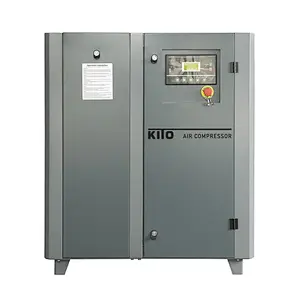
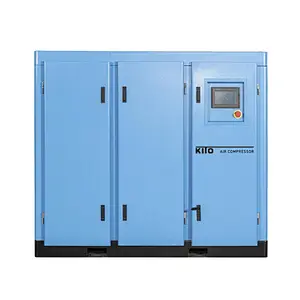
Whether you're considering a fixed-speed compressor, a variable-speed compressor, or need expert guidance to determine the best fit, China Kito is here to meet all your industrial compressor requirements.
We offer a comprehensive range of fixed-speed and variable-speed air compressors, including advanced models tailored to various industrial applications. Our selection includes high-performance single-stage and two-stage compressors designed for efficiency and reliability.
At China Kito, we don’t just provide compressors—we provide solutions. Our knowledgeable team is ready to discuss your specific needs and help you find the ideal compressor for your business operations.
Experiencing compressor issues? Our factory-trained and certified service team specializes in preventative maintenance, troubleshooting, and repair, ensuring your equipment performs at its best.
Contact China Kito today, and let us support your business with top-tier products and exceptional service.