Español
 العربية
 Pусский
When considering air compressors for industrial, commercial, or residential use, it's essential to compare different brands and models to determine the best option based on performance, efficiency, reliability, and overall value. In this section, we’ll compare KITO air compressors with some of the major competitors in the market, focusing on key aspects such as technology, energy efficiency, maintenance requirements, cost, and after-sales service.
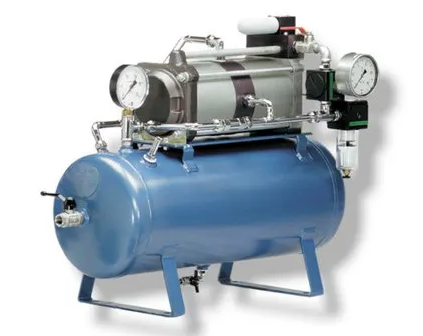
1. KITO vs. Atlas Copco
Overview: Atlas Copco is one of the most well-known brands in the air compressor industry, offering a wide range of compressors, including rotary screw, piston, and oil-free models. The brand is known for its high-quality, durable machines and cutting-edge technology. However, KITO has been gaining ground in the market with its competitive offerings.
Key Comparison Points:
Performance and Technology:
KITO: KITO air compressors are known for their reliable performance across various industries. The company focuses on energy-efficient solutions, such as Variable Speed Drive (VSD) technology, which adjusts compressor speed according to demand, resulting in lower energy consumption. KITO's rotary screw and oil-free compressors provide high pressure and volume output suitable for a range of applications.
Atlas Copco: Atlas Copco also provides compressors with VSD technology, as well as advanced monitoring and automation options. They offer a broader selection of models, including portable and stationary units, designed for industrial use. However, their products tend to come at a higher price point compared to KITO compressors.
Energy Efficiency:
KITO: Customers appreciate the energy savings offered by KITO’s compressors, particularly their VSD models, which deliver a significant reduction in electricity costs. KITO’s commitment to optimizing energy usage makes it an attractive choice for businesses looking to reduce operational expenses.
Atlas Copco: Atlas Copco is known for its energy-efficient solutions, particularly in its range of oil-free and VSD models. However, KITO’s competitive pricing and similar technology make it a more cost-effective option for many businesses, especially in developing markets.
Maintenance:
KITO: KITO compressors are generally praised for their low maintenance requirements. They are designed with durable components and require minimal service, which results in lower long-term operational costs. Many customers find the maintenance process to be straightforward, reducing downtime.
Atlas Copco: Atlas Copco compressors are also low-maintenance and come with comprehensive service contracts. However, the service fees and parts costs tend to be higher than those of KITO, potentially making maintenance more expensive over time.
Cost:
KITO: One of the most significant advantages of KITO compressors is their affordability. The brand offers competitive pricing, making it an excellent choice for businesses on a budget without compromising on quality. KITO’s air compressors provide a good balance between price and performance, making them a cost-effective choice for many industries.
Atlas Copco: Atlas Copco compressors are typically more expensive, with premium pricing reflecting their extensive brand reputation, advanced features, and wider product range. While they offer high-quality products, the cost may be prohibitive for small and medium-sized businesses.
Conclusion:
While Atlas Copco offers high-performance air compressors with advanced features, KITO provides a comparable product at a more competitive price point. KITO compressors offer similar energy efficiency, durability, and reliability, making them an excellent choice for businesses looking for value without sacrificing quality. Atlas Copco may be a better option for large enterprises with the budget to support premium costs, but KITO offers excellent value for the money, especially for businesses looking to optimize operational costs.
2. KITO vs. Ingersoll Rand
Overview: Ingersoll Rand is another leading name in the air compressor market, with a broad range of products that cater to industries from automotive to manufacturing. Known for their heavy-duty compressors and innovative features, Ingersoll Rand competes with KITO in terms of performance and durability.
Key Comparison Points:
Performance and Technology:
KITO: KITO compressors are designed with a focus on efficiency and reliability. The company offers both oil-free and oil-lubricated compressors, including advanced VSD models that optimize energy usage. KITO’s compressors are known for their consistent air output and ease of integration into various industrial systems.
Ingersoll Rand: Ingersoll Rand also provides VSD and oil-free compressors. They focus on advanced technology, including integrated air systems and smart features that enable remote monitoring. Ingersoll Rand is a leader in the development of connected air compressor solutions, offering IoT-based features in many models.
Energy Efficiency:
KITO: KITO compressors, particularly the VSD models, provide significant energy savings by adjusting compressor speed according to air demand. This feature makes KITO compressors more energy-efficient in fluctuating industrial environments, reducing electricity costs.
Ingersoll Rand: Ingersoll Rand also focuses heavily on energy efficiency. Their VSD technology allows for similar reductions in energy consumption, and many of their models come equipped with energy-saving features. However, KITO’s pricing structure tends to offer better cost-effectiveness when energy efficiency is combined with overall compressor pricing.
Maintenance:
KITO: KITO compressors are designed with ease of maintenance in mind, featuring long-lasting components that require minimal upkeep. Users report that their KITO compressors perform consistently with very few maintenance needs, helping reduce downtime.
Ingersoll Rand: Ingersoll Rand compressors also have a reputation for low maintenance, but the cost of replacement parts and service contracts can be higher than KITO. The frequency of servicing might also be higher for Ingersoll Rand models in certain applications.
Cost:
KITO: KITO’s compressors are competitively priced, making them a preferred choice for small to medium-sized businesses that need reliable, efficient compressors without the hefty price tag of premium brands.
Ingersoll Rand: Ingersoll Rand compressors are typically more expensive, particularly when considering the integrated technology and service packages. While they offer high-quality solutions, the pricing can be a barrier for businesses that are price-sensitive.
Conclusion:
Ingersoll Rand and KITO both offer reliable, energy-efficient compressors with advanced technology. However, KITO’s more affordable pricing and low-maintenance design make it a better choice for businesses looking for a cost-effective solution without compromising on quality. Ingersoll Rand, with its premium pricing and advanced connected technology, may be a better fit for large corporations or industries with complex air supply needs. For most businesses, however, KITO provides an excellent balance of performance and value.
3. KITO vs. Gardner Denver
Overview: Gardner Denver is a respected name in the air compressor industry, offering a range of compressors used in everything from industrial applications to transportation and oil and gas. They are known for their robust, heavy-duty machines, particularly in sectors requiring high-performance and durability.
Key Comparison Points:
Performance and Technology:
KITO: KITO’s compressors provide a range of technologies, including VSD and oil-free solutions, designed for energy efficiency and consistent air delivery. KITO focuses on offering a reliable, well-rounded product with competitive performance across industries.
Gardner Denver: Gardner Denver compressors are known for their high-performance, particularly in oil and gas and heavy industrial applications. Their technology is advanced, and they offer models designed for both general industrial use and specialized sectors like aerospace and mining.
Energy Efficiency:
KITO: KITO compressors excel in energy efficiency, particularly with their VSD models, which adjust compressor speed based on air demand. The energy savings from these compressors can be significant, especially for businesses with variable air needs.
Gardner Denver: Gardner Denver also offers energy-efficient solutions, but their focus is more on high-capacity machines used in heavy industries. Their VSD models are designed for large-scale applications, where energy efficiency and air volume are crucial.
Maintenance:
KITO: KITO’s compressors are lauded for their low-maintenance design and durable components, which keep servicing costs low and minimize downtime. Customers appreciate the simple, straightforward maintenance requirements of KITO compressors.
Gardner Denver: While Gardner Denver compressors are robust and reliable, some customers report that their larger, heavy-duty models require more frequent maintenance and higher service costs, particularly in demanding industrial environments.
Cost:
KITO: KITO offers more competitive pricing than Gardner Denver, making it an attractive option for small to medium-sized businesses. Their compressors provide excellent performance at a fraction of the price of Gardner Denver’s high-end models.
Gardner Denver: Gardner Denver’s compressors are generally higher in price, particularly the high-capacity models designed for industries with extreme air demands. The higher cost is justified by the heavy-duty nature of their products and the long-term durability they offer in rugged applications.
Conclusion:
Gardner Denver is a leading choice for industries that require large, high-performance compressors, such as oil and gas or mining. However, KITO offers a similar level of performance and energy efficiency at a more affordable price point. KITO is a better choice for businesses that need reliable and efficient air compressors without the hefty upfront costs and long-term servicing fees associated with Gardner Denver products.
Final Thoughts
KITO air compressors provide a highly competitive alternative to some of the industry’s biggest names, such as Atlas Copco, Ingersoll Rand, and Gardner Denver. While these brands offer premium features and performance, KITO delivers similar results with a more cost-effective solution, especially for small to medium-sized businesses. By focusing on energy efficiency, low-maintenance designs, and reliable performance, KITO provides excellent value for companies looking to optimize their air supply systems without breaking the bank.